

How often to flush a water heater in Alaska

A local pro who services water heaters gets in touch about the tune-up.

Step 1 of 3: Equipment

How often should I flush my water heater in Alaska?

Hard water isn't the usual worry up here, but sediment still builds up in a tank over time, and you want to know if your water heater needs the same once-a-year flush people talk about elsewhere, or if Alaska changes the schedule.

Once a year, same as anywhere else

Sediment settles to the bottom of the tank no matter where the water heater sits, and flushing it out once a year keeps that layer from building up. A thick layer of sediment makes the burner work harder to heat the water above it, which matters here since power costs so much if you're running an electric unit, and most homes heat with gas anyway, so the gas water heater is working alongside a furnace that's already busy much of the year. A neglected tank also wears out faster, and in a state where getting a replacement unit shipped and installed can take longer than you'd like, keeping the one you have running well is worth the hour it takes to flush it.

A white cylindrical water heater with copper pipes and a metal flue stands in the corner of an empty room with bare concrete floor, wood framing at left, and a plain light-colored wall.

Why tanks still collect sediment

Even without hard water, a gas water heater's tank collects a layer of fine sediment on the bottom over time. The burner sits right under that tank, and once sediment builds up, it sits between the flame and the water it's supposed to heat. The tank works harder to get the same result, and in a state where power and energy cost what they do here, that extra work shows up on the bill whether the unit runs on gas or not.

A white cylindrical water heater with copper and black pipes stands against a plain white wall on a gray floor, beside a concrete wall and metal ductwork.

What a flush actually clears

Flushing means draining the tank fully through the drain valve near the bottom, letting the water run until it comes out clear instead of cloudy or gritty. It's a straightforward check a contractor who works on these tanks every season knows how to read fast, since the color and grit in that water tells them how much has settled and whether it's built up faster than usual. A local contractor who handles this routinely can tell you what your tank's drain water is actually showing.

Is your water heater trying to tell you something?

Run the hot tap and listen before you look. A tank with sediment building up on the bottom will pop, rumble or crackle while the burner is on, that's water trapped under the layer working its way out. You might notice hot water taking longer to show up, or the tank running out faster than it used to. Some homes see rusty or gritty water for a few seconds after the tap's been off a while. None of this means the tank is failing today, but a gas burner heating through a layer of sediment works harder to get the same result, and on power bills already high for the state, that's not a cost worth ignoring.

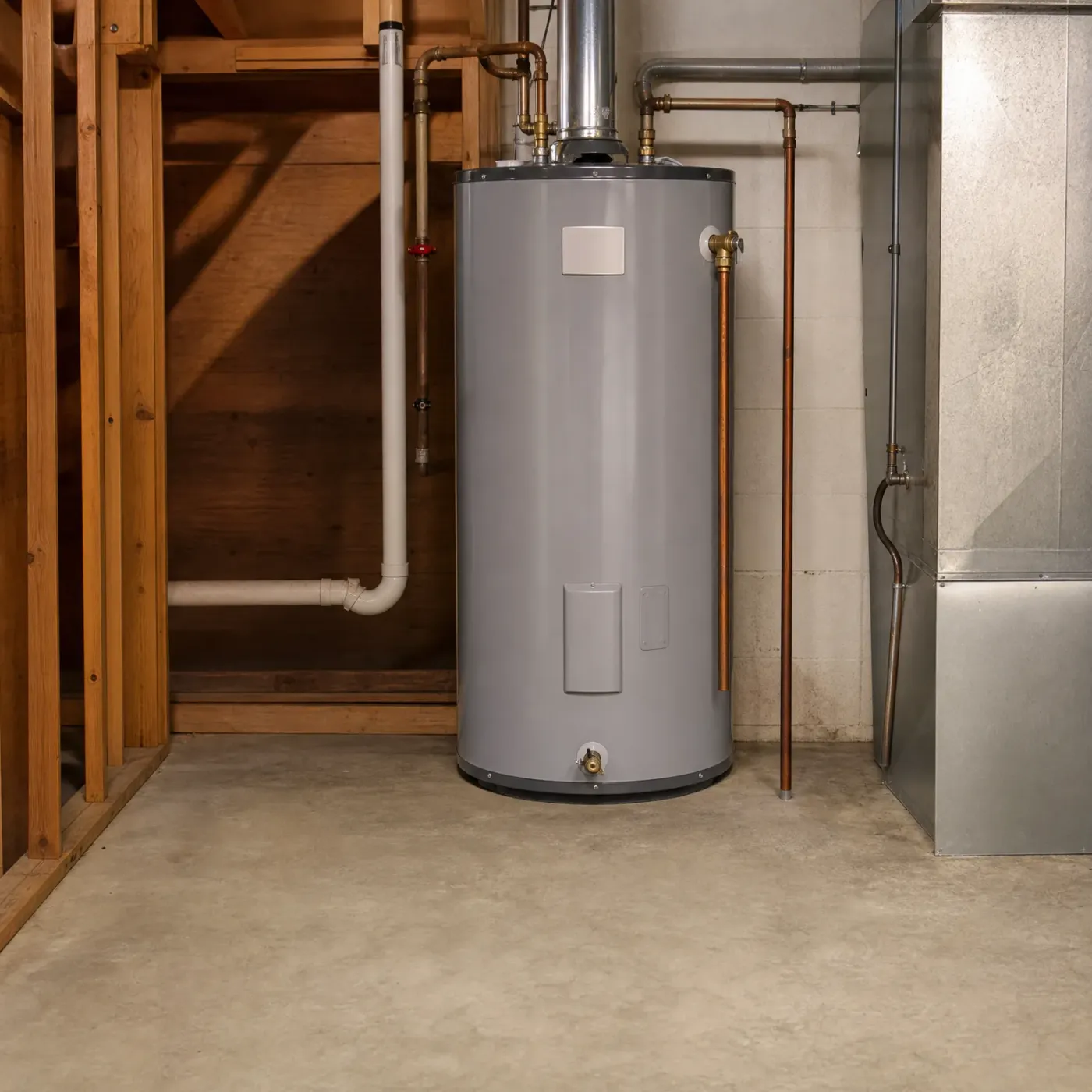
A gray cylindrical water heater stands on a concrete basement floor between an unfinished wood stud wall and a metal furnace duct, with copper and PVC pipes running along the concrete block wall.

Flushed on schedule

This tank gets drained once a year, so the bottom stays clear and the burner heats water, not a layer of grit. The pipes and fittings around it stay dry and sound. It runs quiet, recovers at the rate it's supposed to, and there's nothing here an Alaska winter should worry about.
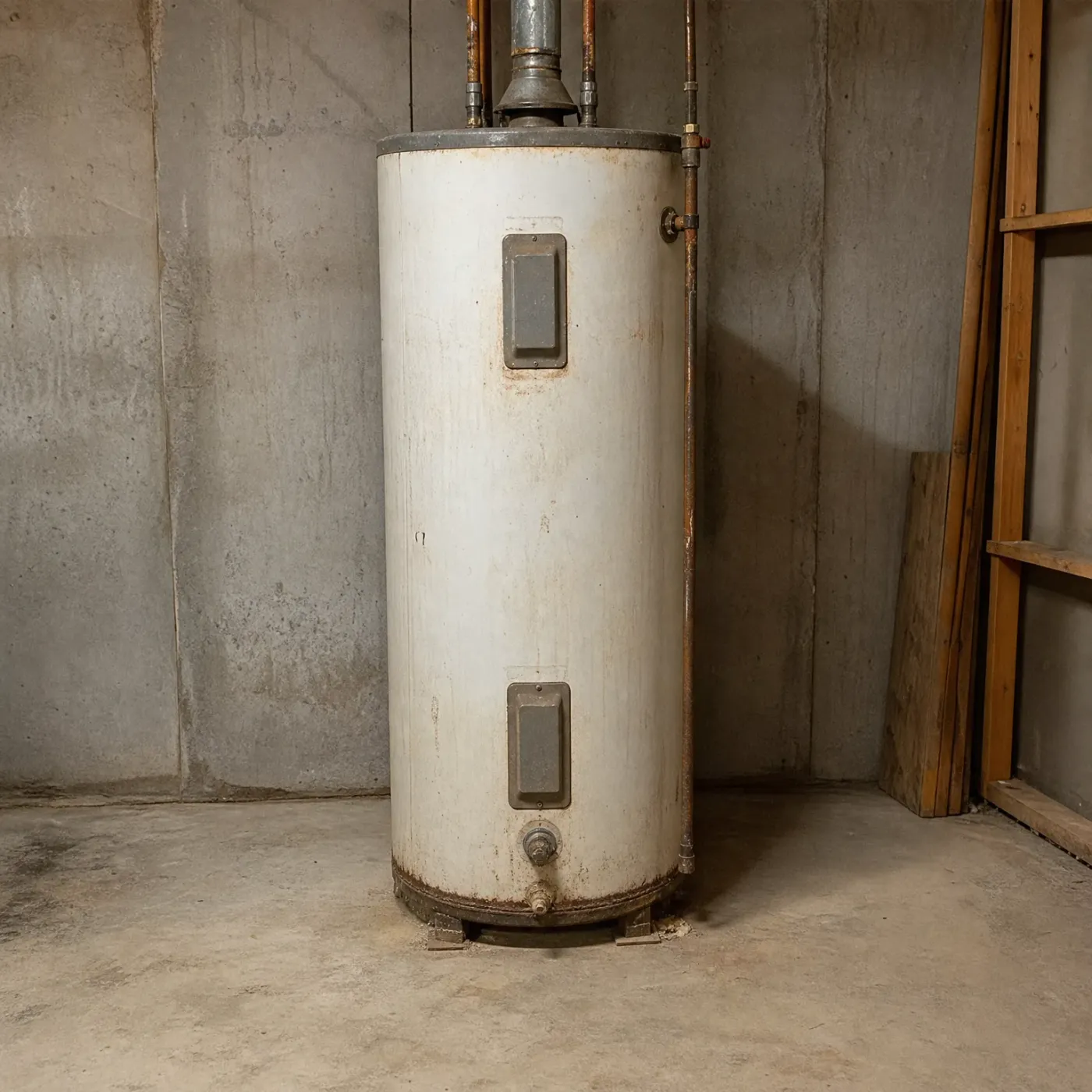

A rusted white cylindrical water heater with two access panels stands in a concrete-walled basement corner, with pipes rising from its top and wooden boards leaning against the wall at right.

Years without a flush

Rust has taken the tank from the outside in, and sediment has likely done the same from the inside. The thermostat panels are doing their best to read a tank that's working harder than it should. Left here much longer, this is a tank that fails instead of one that gets serviced.

An older man with gray hair and a beard, wearing a dark coat dusted with snow, stands smiling in a doorway of a warmly lit home with a sofa, lamp and window visible behind him.
An older man with grey hair and a beard, wearing a dark coat dusted with snow, stands in a dimly lit entryway with a ceiling lamp, a side table with two shaded lamps, and a lit fireplace visible in a room beyond.
A bearded older man in a dark snow-dusted coat and scarf stands just inside a home's front door, with a lamp-lit room and snowy window visible behind him.
An older man with gray hair and a beard stands in a doorway of a home, wearing a dark coat dusted with snow, with a lit fireplace and lamp visible in the blurred room behind him.

Get the right pro for your water heater

A gas water heater that never gets flushed is still heating your water, but the burner is working through a layer of sediment to do it, and that shows up on the power bill before it shows up as a failure. With power costs what they are in Alaska, that's not a small thing to let ride for years. A once-a-year flush keeps the tank doing the job it's built for instead of fighting its own buildup. If you've never had yours drained, or you're not sure when it last was, that's worth finding out before another winter puts real demand on it. A local contractor who services water heaters all year, through hot dry summers and the cold months that push these tanks hardest, will know what to check first and what tends to go wrong in a tank your unit's age. Getting matched with one means someone looking at your specific setup, not a general answer. That's the next step worth taking now, not after something starts popping or rumbling.

How a flush actually works

  • Shutting off the gas valve to pilot before you drain keeps the burner from firing on an empty tank.
  • A hose run from the drain valve to a floor drain or outside is how the sediment actually leaves the tank.
  • Opening a hot water tap somewhere in the house breaks the vacuum so the tank drains instead of glugging.
  • Sediment that's packed in hard often won't move until you open the cold water supply again in short bursts to stir it loose.
  • The anode rod sits under a hex cap on top of the tank and is worth a look while the tank is already open.
  • Closing the drain valve too soon after the water runs clear leaves fine grit behind to settle right back down.

Flushing a tank isn't just hooking up a hose and opening the valve. The order matters. Gas off to pilot first, so the burner isn't firing on a tank that's partway empty. Then a hose run from the drain valve to wherever the water's actually going to go, a floor drain or outside, because the point is getting sediment out of the house, not just out of the tank. A hot tap opened somewhere else in the house breaks the vacuum that would otherwise slow the drain to a trickle or stop it. Even with all that right, sediment that's sat for a while can pack down hard on the bottom and resist just draining out on its own. Opening the cold water supply in short bursts once the tank's empty stirs that layer loose so it actually flows out the drain valve instead of sitting there. While the tank's open for all this, the anode rod is worth a look, it's under a hex cap on top and it's the part that corrodes instead of the tank lining, so its condition says something about how much life the tank has left. The other way to lose the benefit of a flush is rushing the end of it. Water runs clear fast, but closing the valve the moment it does can leave fine grit still working its way down, and it settles right back on the bottom before the tank's even refilled.

A woman wrapped in a thick cream knit blanket sits in an armchair beside a lit table lamp, with an open book in the foreground and a frost-covered window behind her.
A woman in a cream knit sweater sits in an armchair with her eyes closed near a window showing yellow autumn foliage, with a mug on a round wooden side table beside her.
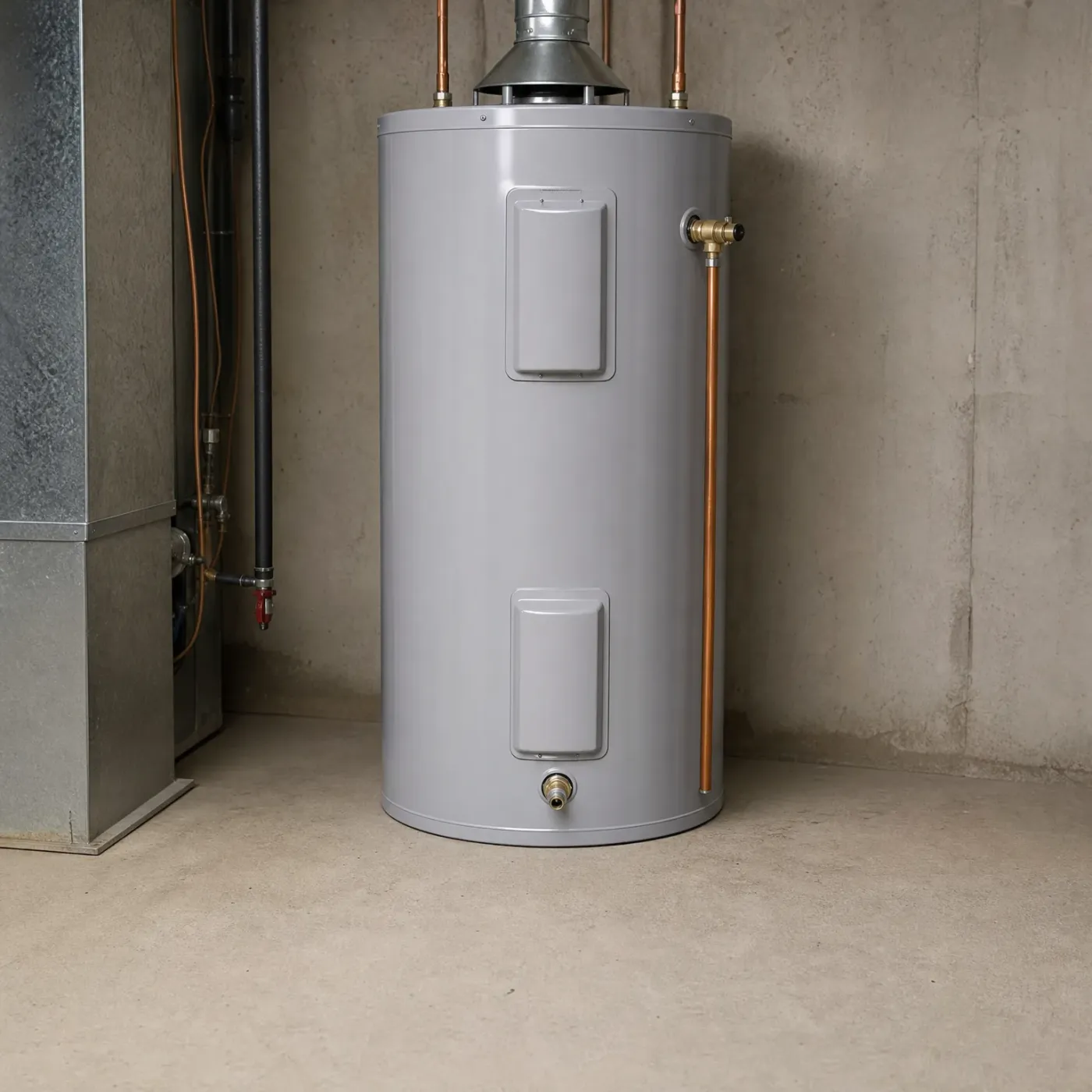
A gray cylindrical water heater with copper piping and a flue stands on a concrete floor in a basement corner beside ductwork and metal equipment.
This one gets drained on schedule, so the tank stays sound and the relief valve has clean metal around it to seal against.
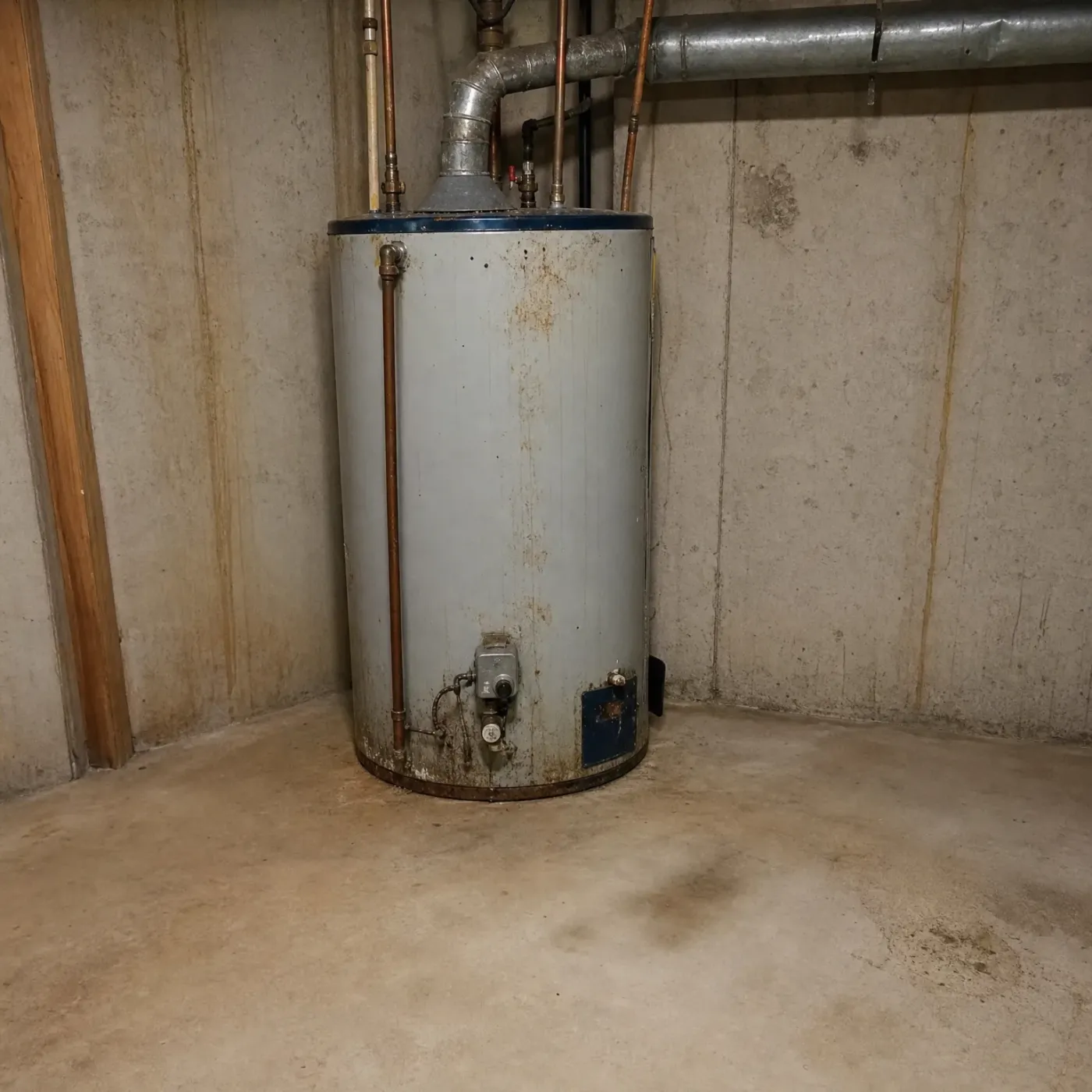
An aging gas water heater with rust streaks stands in the corner of a concrete-walled basement, with copper pipes and a metal flue duct running overhead.
This one never got flushed, and the rust eating through the tank body is sediment damage that started years earlier.

49.1% of homes statewide heat with gas

Close to half of Alaska homes run on gas, yours likely among them, with a tank quietly heating water in a closet or utility room. That burner sits under the tank all year, and sediment collecting on the bottom is between it and the water the whole time, gas bill or not.

ACS 2020-2024 5-year B25040

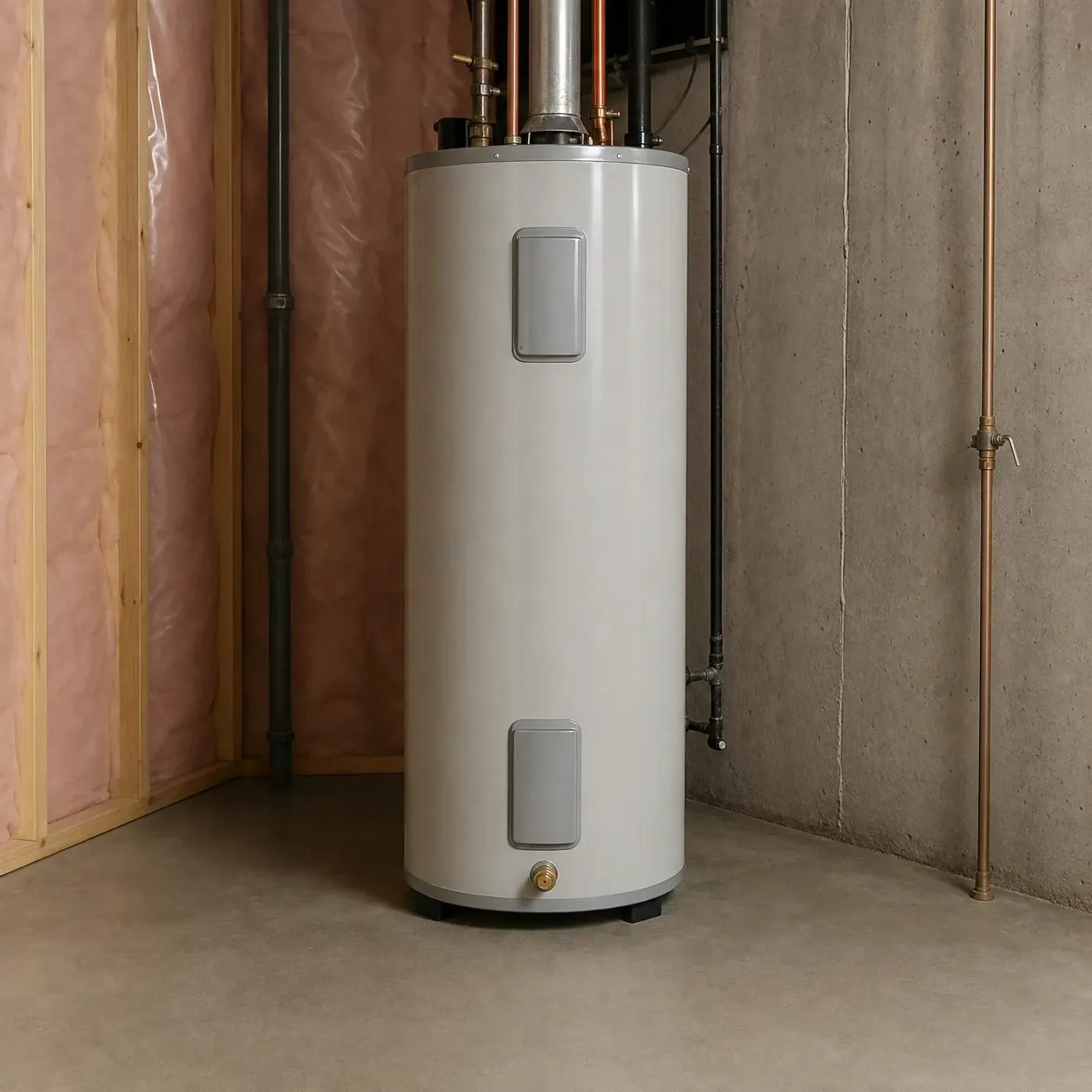
A white cylindrical water heater with two access panels and a brass drain valve stands on a concrete floor in a basement corner, beside a pink-insulated stud wall and a concrete wall with copper and black pipes.

Clear tank, quiet install

This one is new enough that the copper and black iron lines still look factory bright. Nothing on the tank body hints at what's inside it yet. A water heater like this still needs that first flush on schedule, before sediment gets a foothold on the bottom.

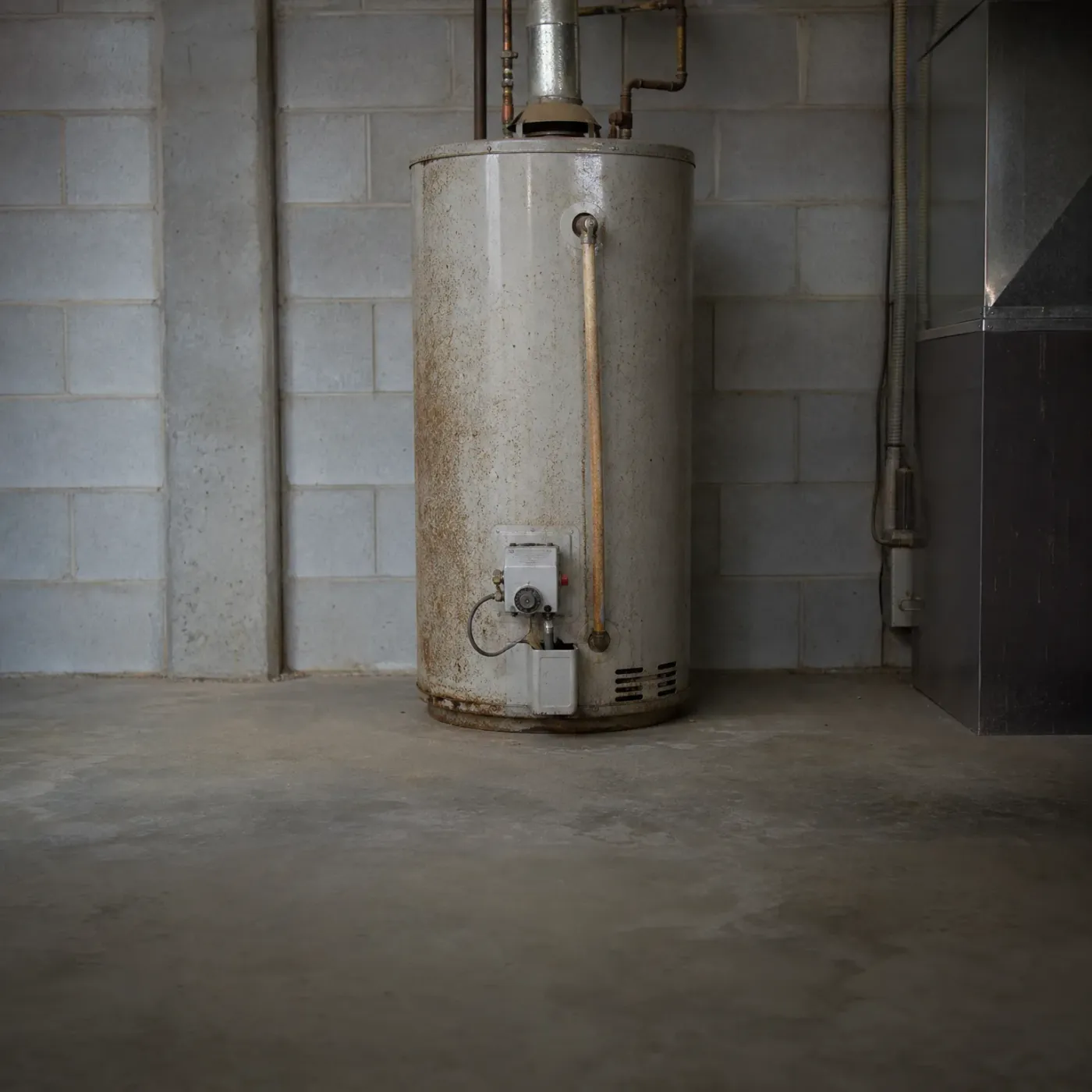
A rusted gas water heater with a flue pipe stands against a concrete block wall on a bare concrete floor, next to a dark metal duct or furnace cabinet at right.

Years of buildup showing through

Rust like this on a gas tank usually started at the bottom, under the waterline, where sediment sat against the metal for years. By the time it shows on the outside, the galvanized fittings nearby are often corroding too, and the tank is closer to the end than the start.

A gas water heater in Alaska should get flushed once a year, and that doesn't change because the water here is easy on pipes. The sediment comes from the burner heating the tank, not from what's in the water, so every tank needs the same yearly drain no matter where it sits. If yours hasn't been touched since it was installed, that's sediment sitting between the flame and the water right now, and the burner's been working harder because of it. A contractor who services water heaters all over Alaska has seen what a few years of skipped flushes does to a tank, and knows what to check once that hose is on the drain valve. When you request a match, you're connected with one licensed local contractor for your situation, not a handful of companies competing for the job. That's someone who already knows what tends to fail in tanks up here and how to drain yours without guessing. The flush itself is simple. Knowing what you're looking at once the water runs out is the part worth having someone local for.

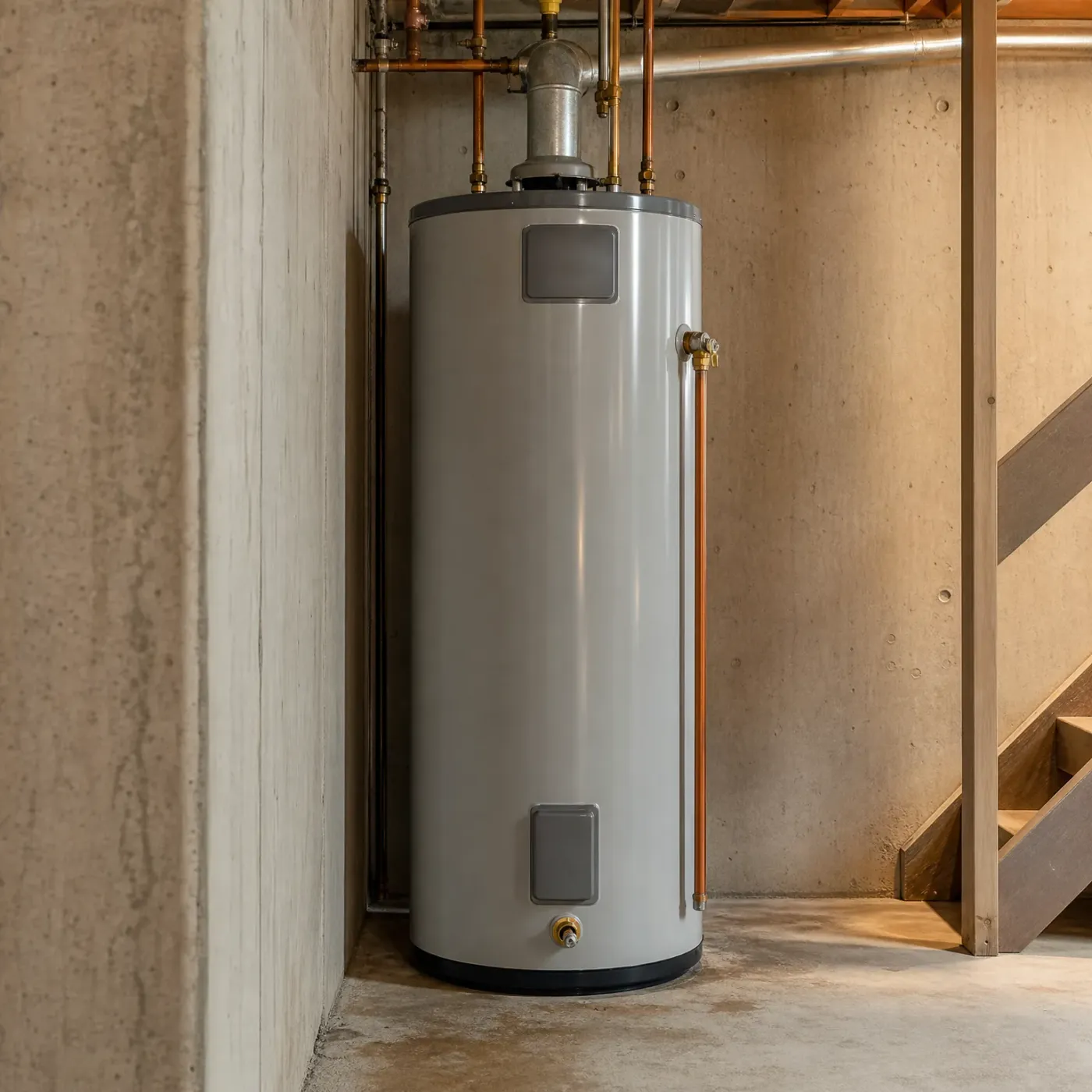
A tall gray cylindrical water heater stands in a concrete basement corner with copper pipes and a metal flue above it and a wooden staircase at right.

A pro who works on water heaters

Find a local pro

The pro who reaches out is licensed in Alaska.

Sending the form costs nothing.