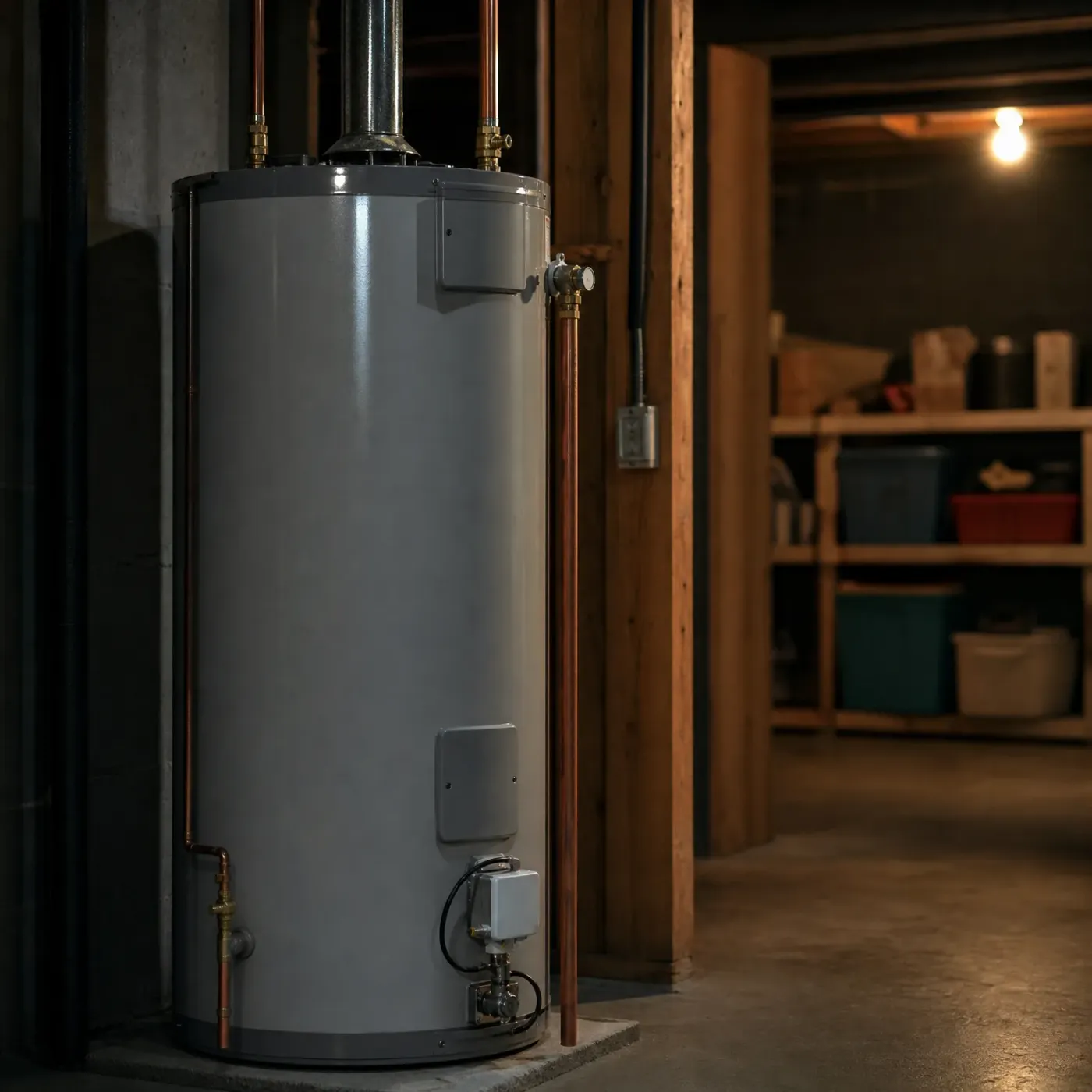
A local pro for your water heater installation
Is a heat pump water heater worth it in Alaska
A heat pump water heater pulls heat from the air instead of burning gas or running pure electric resistance, which matters with power costs where you live. Whether it makes sense depends on where the unit would sit, what it would replace, and how your home is set up. A local contractor who installs these in Alaska homes can look at your setup and tell you if it fits.
Get matchedA heat pump water heater can be worth it in Alaska, but only in the right spot. These units pull heat out of the air around them, so they need a space that stays reasonably warm, like a basement or utility room near other heat sources. Put one in an unheated garage or a cold crawlspace and it will struggle, drawing out whatever warmth is there and running long hours to make up for it. Since most homes here heat with gas, you're likely replacing a gas water heater, and the math changes because you're moving from a cheap fuel to electricity, which costs more here than in most of the country. Where it tends to pay off is a home with a warm mechanical room and an electric water heater already in place. Where it doesn't is a cold space with no electric hookup nearby. The install itself, the venting it needs, and the clearance around it all matter more here than the unit's rating on paper.




How does a heat pump water heater actually pull heat from the air?
You keep hearing that these units pull heat from the air, but that sounds backwards for something that's supposed to heat water. You want to know what's actually happening inside the unit before you decide whether it fits in your home, especially with a space that might not stay warm all year.
It works like a refrigerator running in reverse
A fan draws air from the room across a cold coil filled with refrigerant. That refrigerant absorbs the heat in the air and turns to gas. A compressor squeezes that gas, which raises its temperature further, then the hot gas passes through a coil wrapped around the water tank and gives up its heat to the water. The refrigerant cools back down and the cycle starts again. The air coming out the other side of the unit is several degrees colder than the room it came from. That's why the space around it matters. A small utility room with nothing else warming it will cool down as the unit runs, and a cold room gives the coil less heat to pull from.
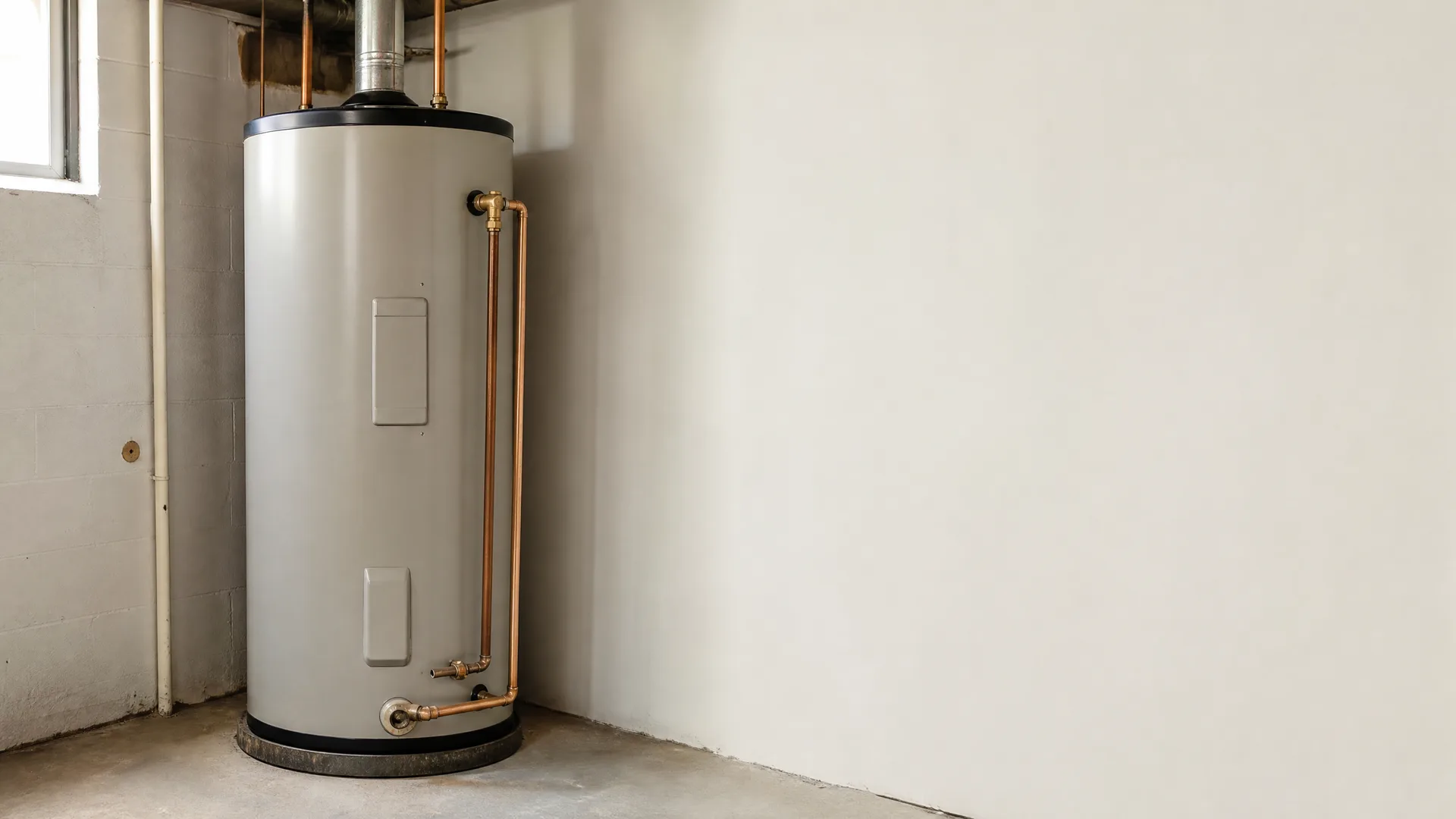
The air around it gets colder
A heat pump water heater cools the air it pulls heat from, usually by several degrees, and blows that cooler air back into the room. In a small closet or utility room with the door shut, that adds up. If the unit sits above a gas furnace or near a dryer, that heat source helps keep the room in a range the unit can still work with through the winter.
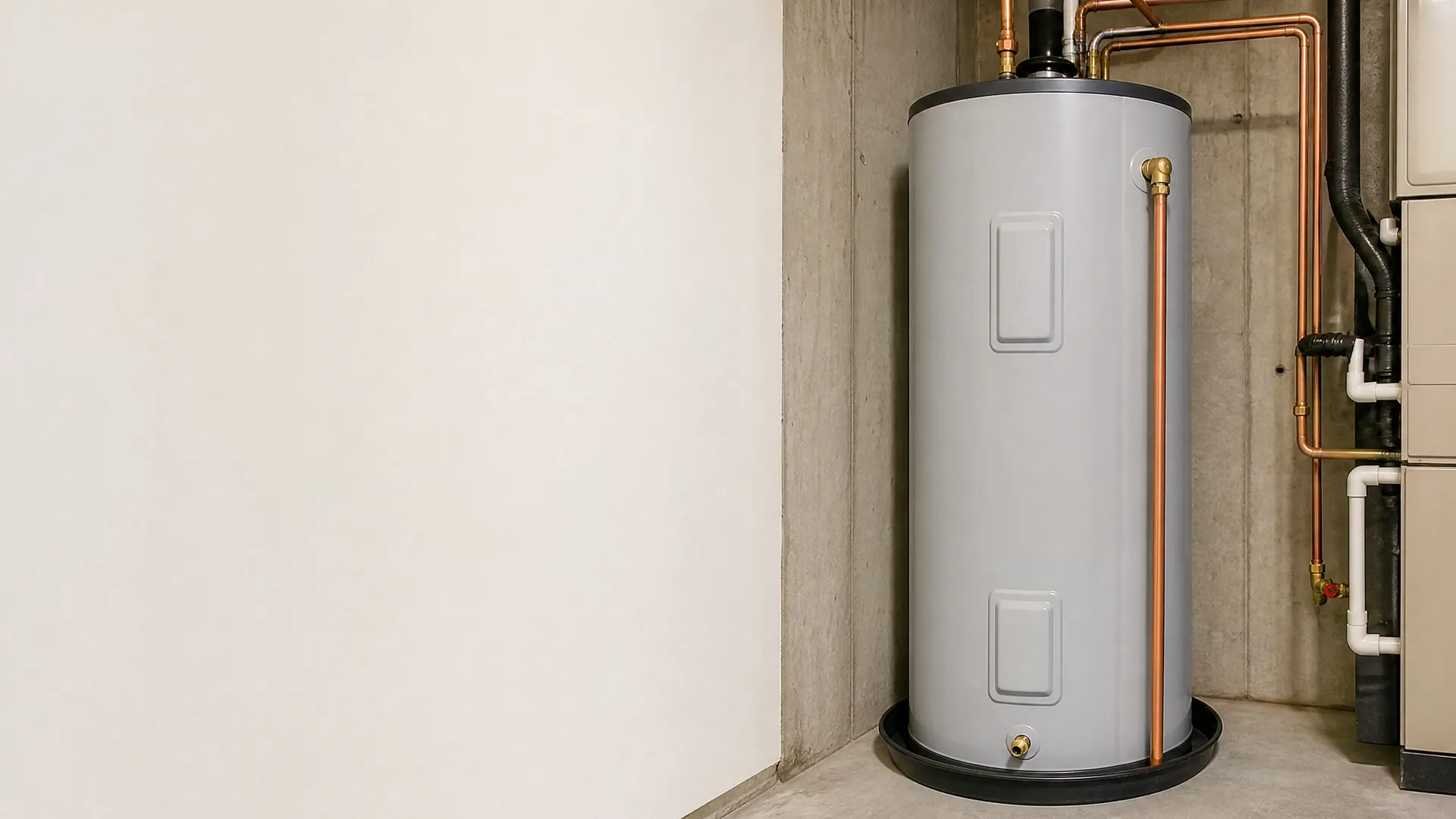
Most run on a hybrid setting
Most heat pump water heaters have a hybrid mode that falls back on electric resistance heat when the surrounding air is too cold for the heat pump to pull enough from it. That backup element uses more power than the heat pump side does, so a unit running on backup heat most of the winter is costing more than the room it sits in would suggest.
Why is your utility room suddenly cold?
If you already have a heat pump water heater, or you're picturing where one would go, you might notice the room around it running cooler than the rest of the house, sometimes enough that you'd want a sweater to go in there. You might hear it humming more than a gas water heater ever did, since the compressor runs while it pulls heat from the air. If that room sits near a cold crawlspace or an exterior wall, the unit has less heat to draw from and has to work harder to keep up, especially once outside temperatures drop. A unit struggling to pull enough heat from a cold room can fall back on electric resistance to finish the job, and that's the expensive way to heat water here.




Get the right pro for your water heater

One installer gets your project, so there's no bidding war over it.
It costs nothing to send, and you don't have to hire anyone.
Gas water heater as the alternative
Most homes here heat with gas, and a gas water heater is the common default. It doesn't care how cold the room around it is, since it burns fuel instead of pulling heat from the air. It won't cool down a utility room in the dead of winter, and it won't lose capacity when that room is cold. Installation means running or tapping a gas line and a vent to the outside, which a heat pump water heater doesn't need. Where power costs run high and gas is already piped to the house, a gas water heater is often the simpler match for the space, especially if the spot you have in mind is small, unheated, or hard to vent to a condensate drain.
Where the heat pump still wins
A heat pump water heater earns its keep when the spot for it is already warm and you want to cut electric use, not gas use. That's a home with electric resistance heating now, or a water heater that sits somewhere mild year round, like a mechanical room near a furnace or other equipment giving off heat. In that setting it pulls heat that's already there instead of burning more power to make it, and with electric rates where they are, that difference shows up. The trade-off is the same either way: it needs a warm enough room to draw from, or it loses the advantage that makes it worth installing over something simpler.
49.1% of homes statewide heat with gas
Gas heats close to half the homes here, and if yours is one of them, chances are your water heater runs on gas too, tucked in a space that was never meant to stay warm. That same cold spot is tough on a heat pump water heater.
ACS 2020-2024 5-year B25040
Where You Land On This
- A heat pump water heater pays off in Alaska only when it sits somewhere warm enough to pull heat from, like a heated basement or utility room.
- If your water heater runs on gas in an unheated space, that spot works against a heat pump water heater before it even starts.
- Power costs here raise the stakes on getting the placement right, since a unit struggling in a cold room still draws electricity to make up the difference.
- A licensed local installer who works on these units through Alaska winters knows which rooms in a house can actually support one.
- Matching you with one contractor, rather than several, means the person looking at your space is the one who follows up with you.
The answer comes down to one question: does your home have a space warm enough to feed one of these units. If you've got a heated basement or utility room near a furnace or dryer, a heat pump water heater can run well here and cost less to operate than straight electric resistance, which matters given what power runs in this state. If the only spot available is an unheated space where a gas water heater sits now because gas doesn't care about room temperature, that same spot will fight a heat pump water heater every day it runs. Cold air in means the unit works harder to pull heat out of it, and that extra work shows up on your power bill even though the equipment itself is more efficient on paper.
This isn't a decision you want to make off a general rule, because it depends on your specific space. A licensed installer who works on these units through Alaska winters has already seen which rooms hold enough ambient heat and which ones don't, often from jobs in houses not unlike yours. When you get matched, it's with one contractor local to you, not a handful competing for your call. That person looks at your actual utility room, your actual water heater, and tells you straight whether the swap makes sense or whether your money is better spent elsewhere.
A pro who works on water heaters
Only one pro gets your request, so you hear from one company.