

Still doing its job
No rust on the tank, no puddles on the floor, and the water comes up hot and stays hot. The pressure relief valve and fittings are clean and dry. If that's what you're looking at, the tank is still holding.
Send it once and finding someone is no longer on you.
Let a pro reach outYou've noticed something off with your water heater and you're trying to figure out if it's a quick fix or if you're looking at a replacement. With gas running most homes here and power costs as high as they are in Alaska, you don't want to sink money into repairing a unit that's on its way out anyway, especially with cold months ahead to plan around.
Water with a rusty tint or a metallic smell means the tank is corroding from the inside, and that doesn't reverse itself. A puddle at the base means the tank itself has failed, not a fitting or a valve, and tanks don't get patched. If your hot water used to last through a full shower and now runs cold halfway through, the tank is losing capacity as sediment builds up inside it. Any one of these means a new unit, not a repair call. With gas heating common in homes here and electricity costing what it does in Alaska, a failing water heater is also often running less efficiently than it used to, which shows up on the bill before the tank finally gives out.
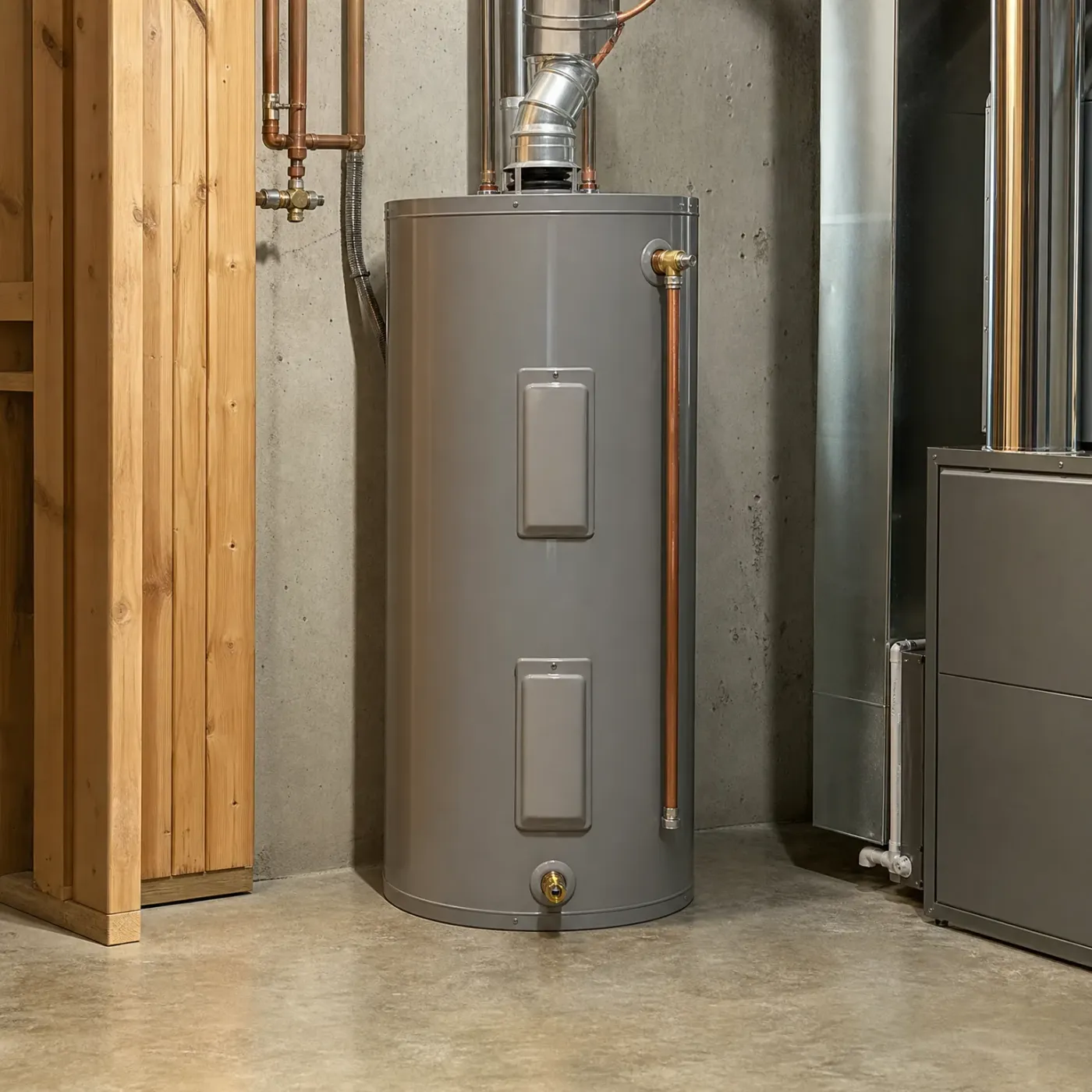
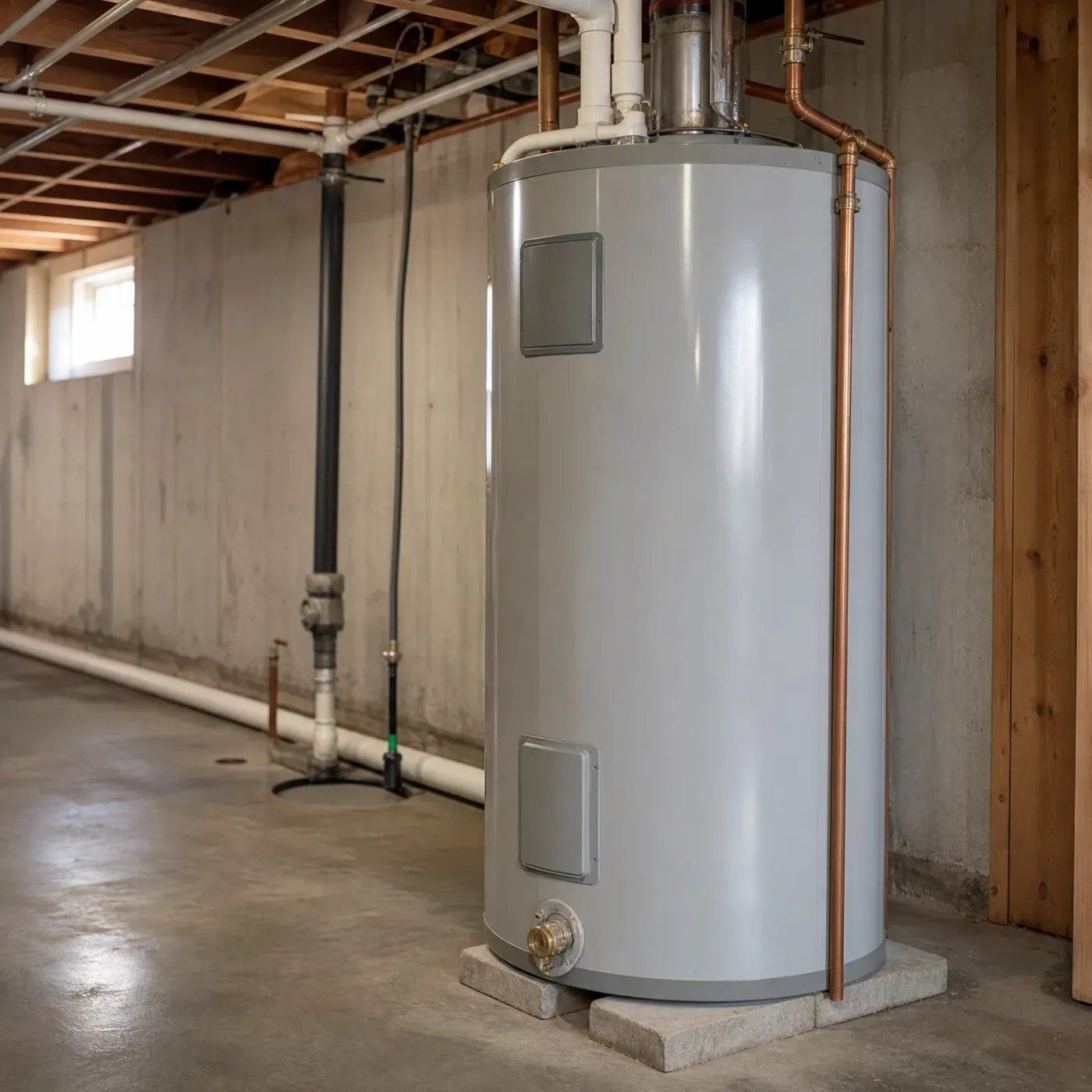
No rust on the tank, no puddles on the floor, and the water comes up hot and stays hot. The pressure relief valve and fittings are clean and dry. If that's what you're looking at, the tank is still holding.
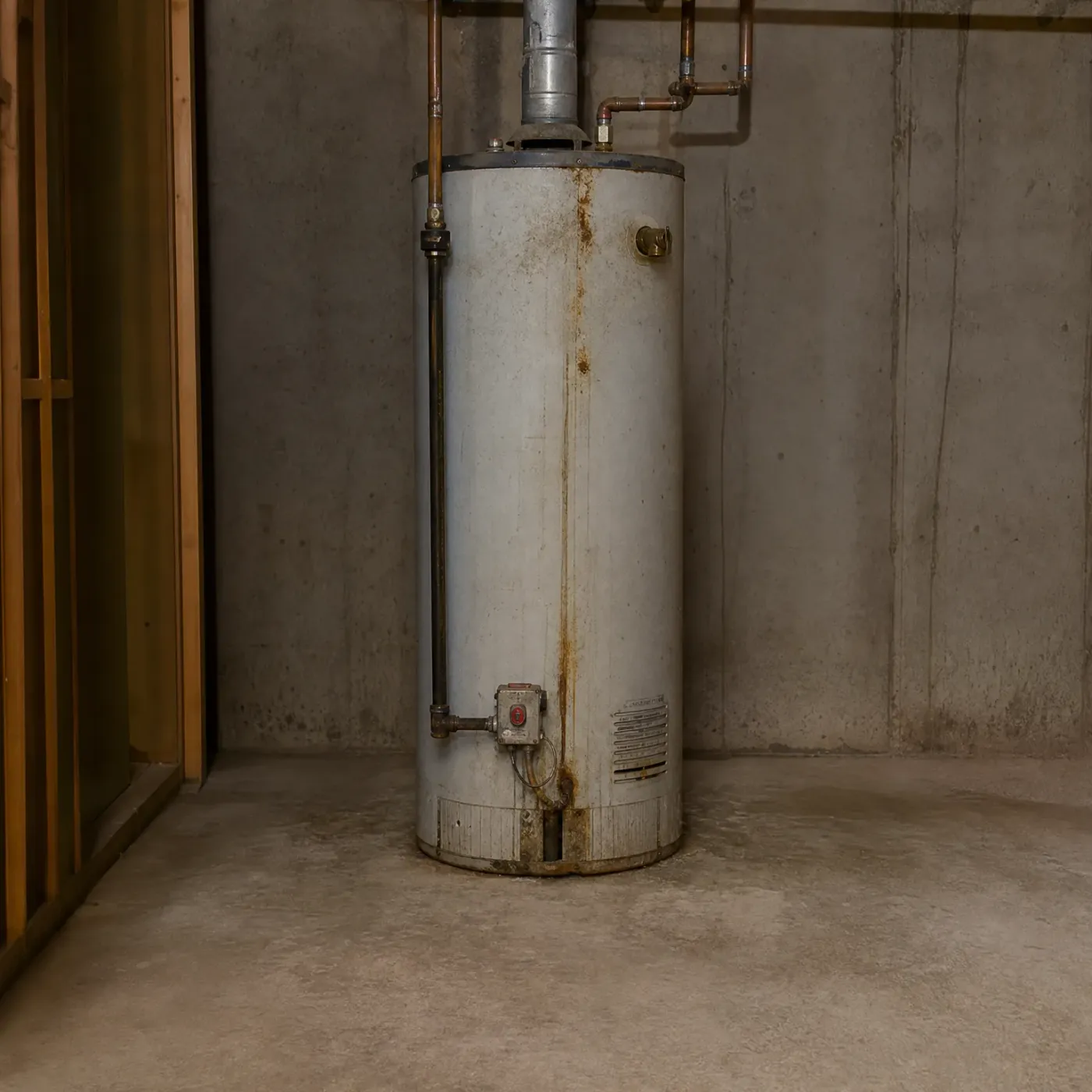
Rust like this on the tank itself, not just the pipes, means the steel is failing from the inside. Once you see it at the base or around the gas valve, a repair won't hold. That's a tank near the end, not a part to swap out.




A gas water heater fails from the inside out, and most of what you can see on the outside is just the last part of that process showing up. Every tank has an anode rod whose only job is to corrode instead of the steel around it. Once that rod is used up, the tank itself is next, and that's when you start seeing rust in the hot water or hear sediment hardening on the bottom under the burner. That popping sound isn't the heater struggling, it's mineral buildup acting like a barrier between the flame and the water, which makes the burner work harder to do the same job. A pilot that won't stay lit or an igniter that keeps tripping usually points to the thermocouple or control valve wearing out underneath it. None of these are separate problems. They're stages of the same tank getting older. Check the sticker inside the access panel for the install date. If it's past 10 to 15 years and showing any of this, you're not looking at a repair, you're looking at what comes after one.
One installer gets your project, so there's no bidding war over it.
Send the form and stop researching installers for the new water heater.
No charge to send it. You decide if you hire them.
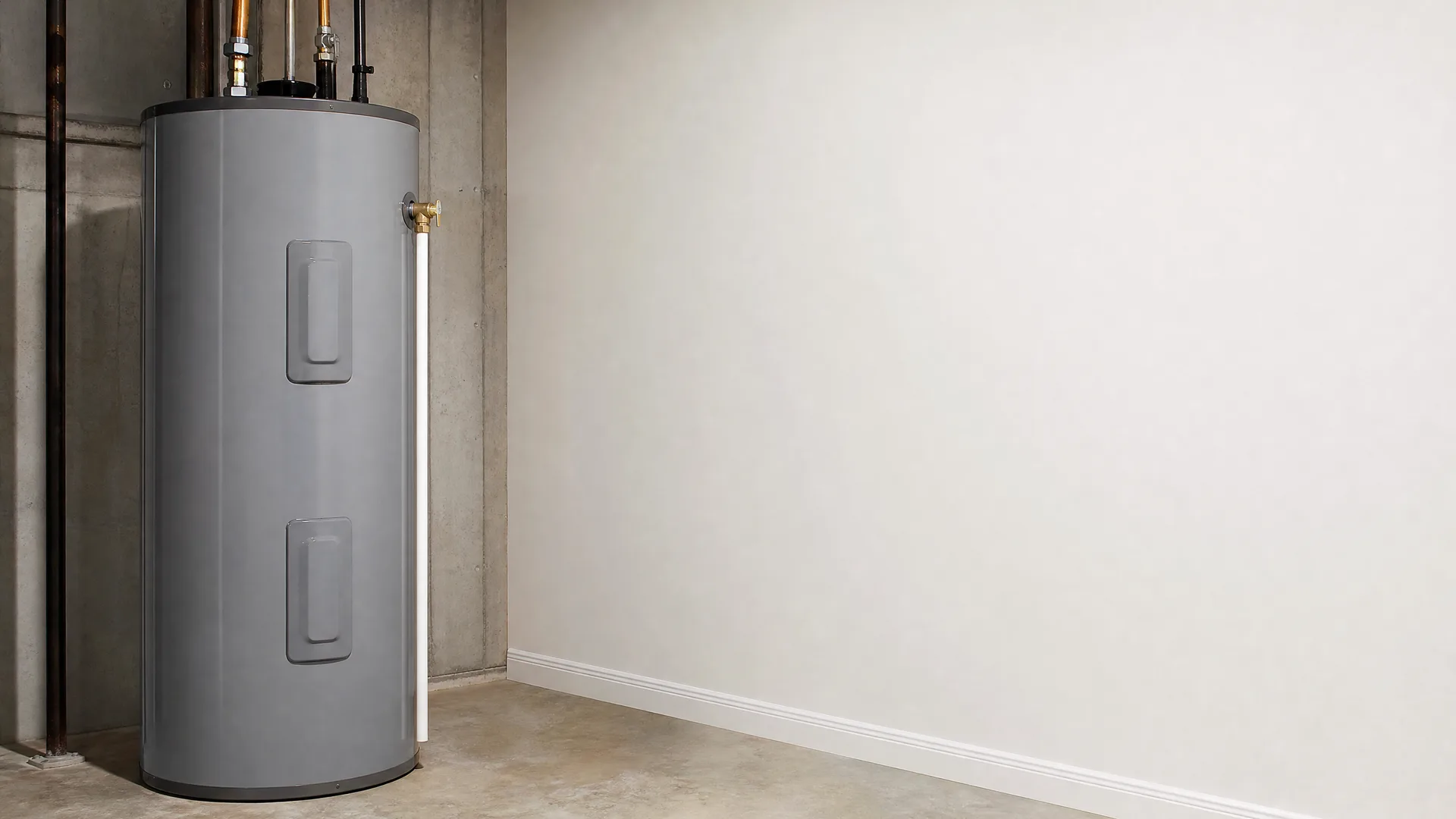
A gas water heater holds water against a steel tank lined with glass. Once that lining cracks, the steel underneath starts to rust, and there's no patching it from outside. The anode rod is supposed to corrode first and protect the tank, but once it's used up, the tank takes the damage instead. That's why rusty hot water or a rust colored tank bottom usually means the inside has already started breaking down, not just the fittings or the pipes feeding it.
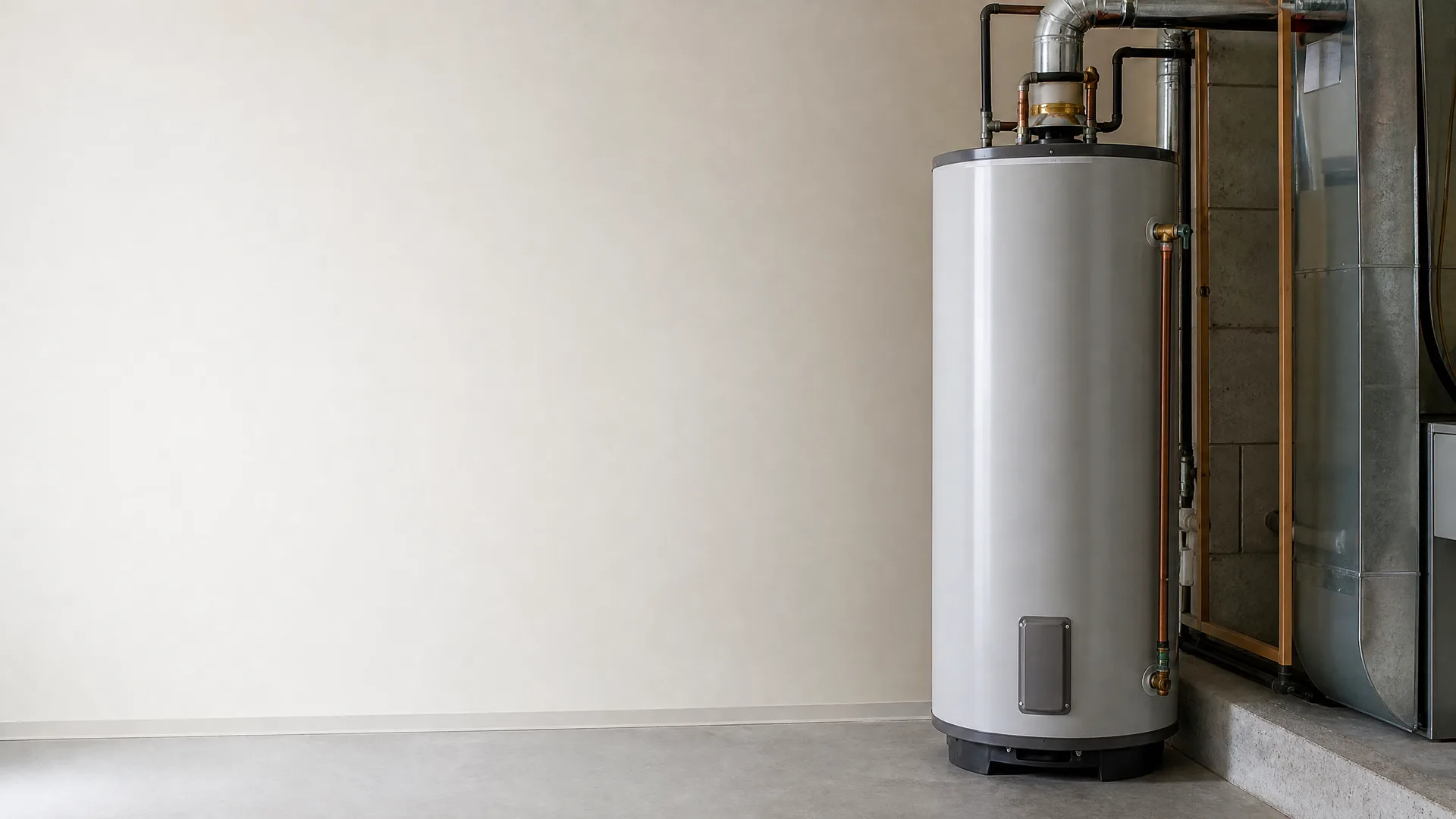
A tank seam that's starting to fail often weeps before it ruptures. A damp spot on the floor, a drip from the bottom of the tank, or a hairline crack in the steel will only widen as the metal keeps corroding. Alaska winters mean a flooded utility closet is a harder problem to deal with than almost anywhere else. Catching a slow leak before it becomes a full tank failure is the difference between a planned replacement and an emergency one.
If your water heater runs on gas, as most do here, there's no breaker to reset when it fails, and no power bill tied to recovery time. But a tank that's rusting out or leaking still needs replacing, gas or not.
ACS 2020-2024 5-year B25040
You notice the shower runs lukewarm before it used to run out entirely, or the water takes longer to heat up on a cold morning. Maybe there's a faint rust smell from the hot tap, or a small stain spreading out from the base of the tank. None of it stops you cold. You work around it, run the dishwasher later, shower first. That's usually how it goes right up until the morning you walk downstairs to water on the floor and a tank that's done.
A gas water heater that's failing can leak slowly for weeks before it lets go all at once, and when it does, you're dealing with water damage to the floor, the wall, whatever's stored nearby. If the tank is old enough to fail, the venting and gas connections around it are that old too, and a cracked tank is often found alongside a job that should have been replaced already. Waiting past the point of fixing usually costs more than catching it early would have.


A water heater tells you what it needs if you know where to look: rust in the hot water, a tank that's wet at the base, water that won't get hot anymore. If none of that is showing up, yours is still doing its job. If it is, replacing it is the straight answer, not a repair that buys a few more months on a tank that's already failing. When you send the request, it goes to one contractor who works on water heaters in Alaska homes all year and knows which ones tend to fail and why. You won't get a handful of companies calling about the same job. You'll hear from the one who's already been inside tanks like yours.
The pro who reaches out is licensed in Alaska.