

Pilot holding steady
This tank is doing what it should. The flame stays lit, the thermocouple reads it correctly, and the gas valve keeps supplying gas without interruption. Access panels sealed, flue clear, nothing pulling drafts across the burner.
One request and the search for a pro is handled.
Hand it offA pilot light that won't stay lit usually means the thermocouple has worn out and stopped sensing the flame, so the gas valve shuts off as a safety measure. It can also mean a draft is blowing the flame out, a dirty pilot tube is starving it, or the thermocouple just needs to be repositioned closer to the flame. Gas is how most homes in Alaska heat their water, so when the pilot won't hold, you're not just short on hot water, you may have no way to heat it at all until it's fixed. With power here costing what it does, an electric backup isn't a cheap stand-in either. A thermocouple is a small, inexpensive part, but a technician needs to confirm that's actually the problem before replacing it, since a gas valve or a cracked heat exchanger can cause the same symptom and those call for different work entirely.
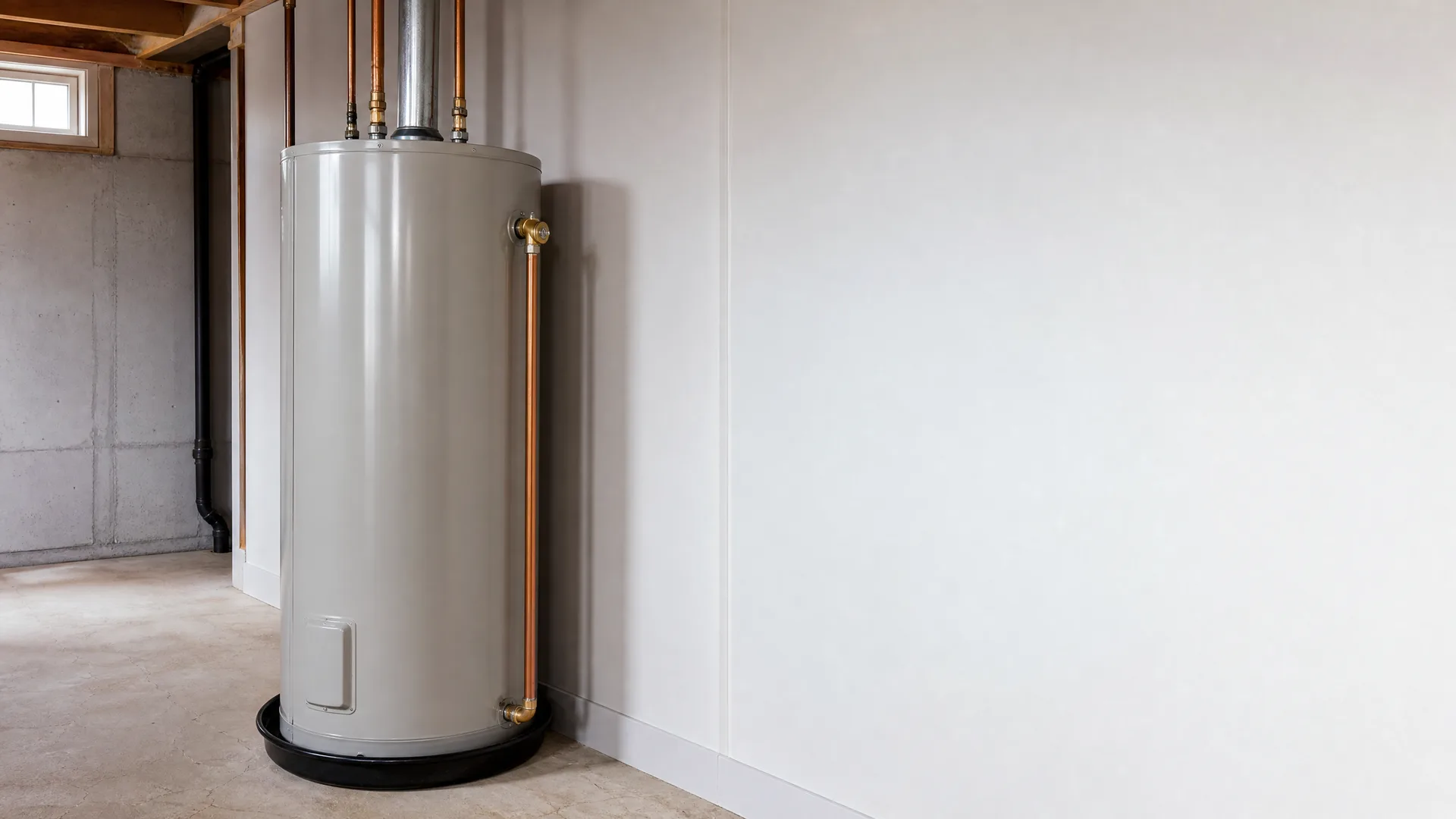
A pilot flame needs to burn steady to keep the thermocouple warm enough to signal the gas valve. Cold air pulled in through a vent pipe or a draft in the room where the tank sits can bend that flame just enough to break contact. In Alaska, where the water heater often sits in an unheated garage or utility space through the winter, that draft shows up more in January than it does in July.
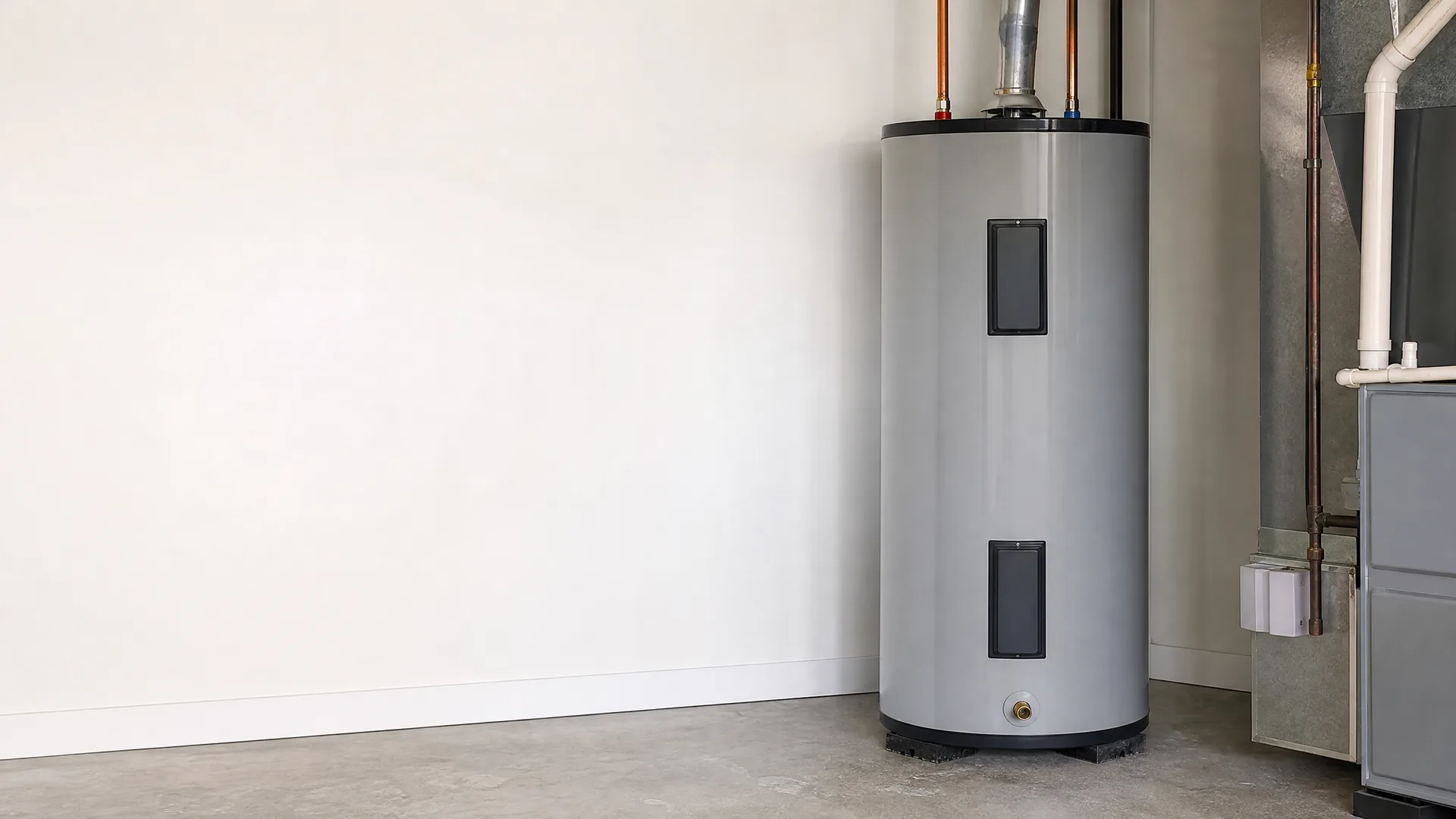
A good thermocouple holds a steady blue flame against it and reads close to full output on a millivolt test, usually around 25 to 30 millivolts for a standing pilot system. A worn one drifts lower even when the flame looks fine to the eye, which is why a contractor tests it rather than judging by sight. Once it drops below the valve's threshold, the valve cuts gas to the burner no matter how the pilot looks.
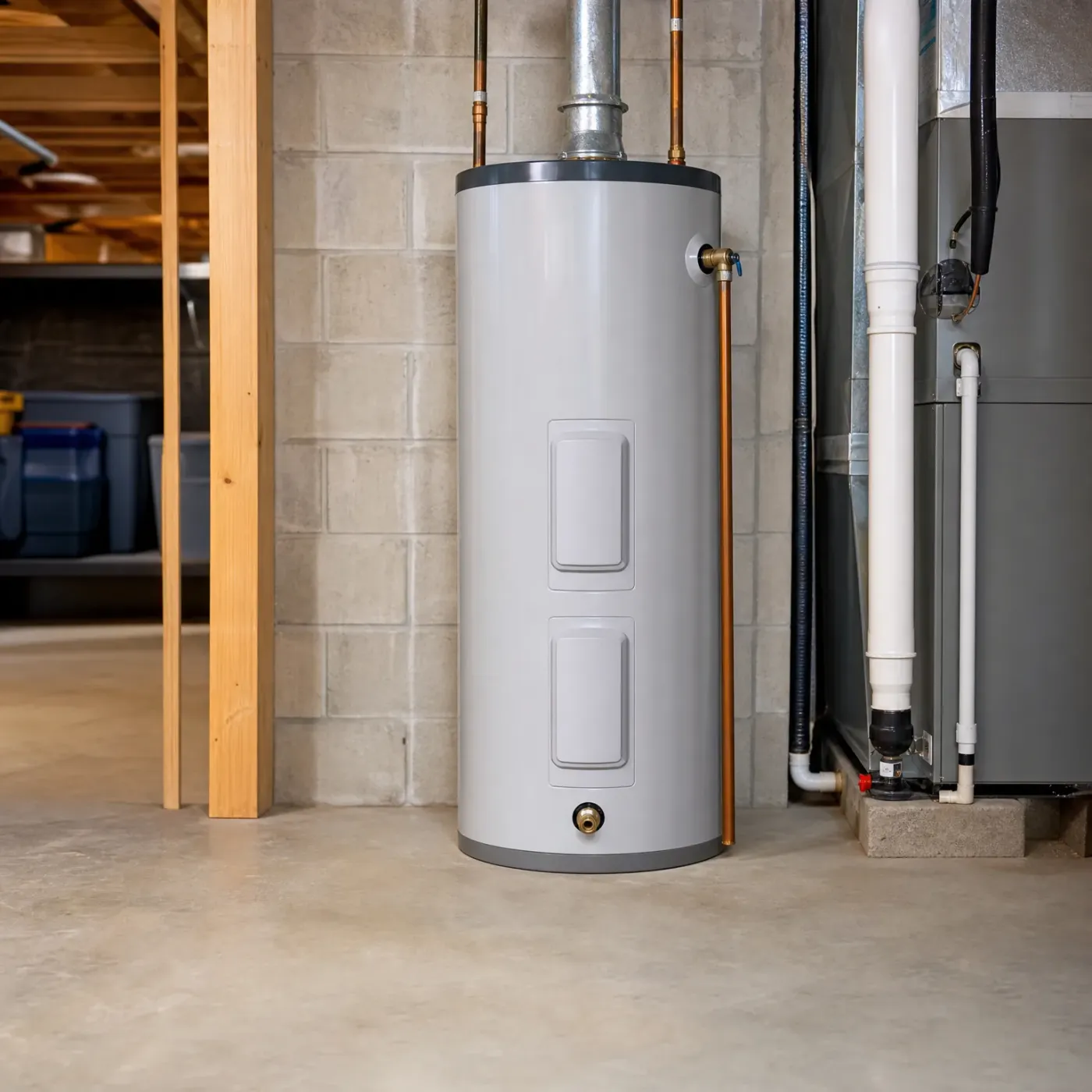
This tank is doing what it should. The flame stays lit, the thermocouple reads it correctly, and the gas valve keeps supplying gas without interruption. Access panels sealed, flue clear, nothing pulling drafts across the burner.
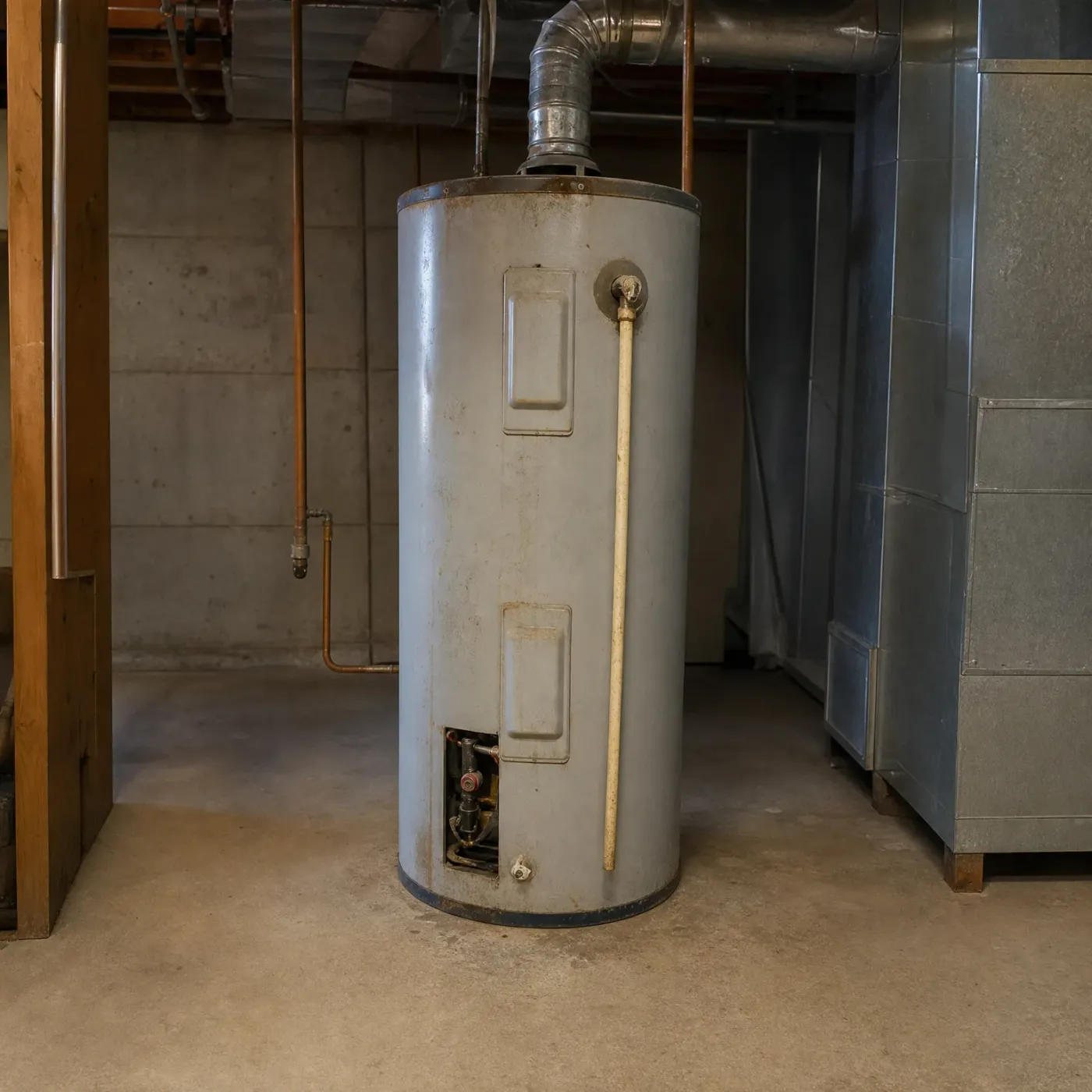
Rust on the tank like this often means age is working against the thermocouple too, not just the surface. A relief valve discharge pipe and flue vent that look fine don't rule out a flame too weak or too drafty to hold. That's worth a look by someone who knows gas water heaters in Alaska homes.
You've probably noticed it happens on the coldest nights, or right after the wind picks up outside. You go down to the tank, relight it, and it holds for a day or two before you're back down there again with a lighter. Some people notice a faint gas smell near the burner compartment right before it quits, or a popping sound as the flame struggles. If this keeps getting put off, you're left without hot water on the mornings you need it most, and a thermocouple that's failing can be an early sign the gas valve is being asked to do something it shouldn't.


A pilot that won't hold through an Alaska winter is telling you something specific, and it's worth having someone look who deals with this on tanks all winter long, not just in a spring and fall rush. Gas is how most homes here heat water, so a tank that won't stay lit isn't a small thing to put off, especially with what power costs if you're stuck heating water another way in the meantime. Sending the request puts it in front of one local contractor, not a handful competing for your callback, and that contractor is licensed for gas work and has seen what a bent pilot flame or a worn thermocouple does to a tank in cold like this. You don't have to figure out which part it is or whether it's the draft before you ask for help. Send the request and let someone who already knows this problem take it from here.
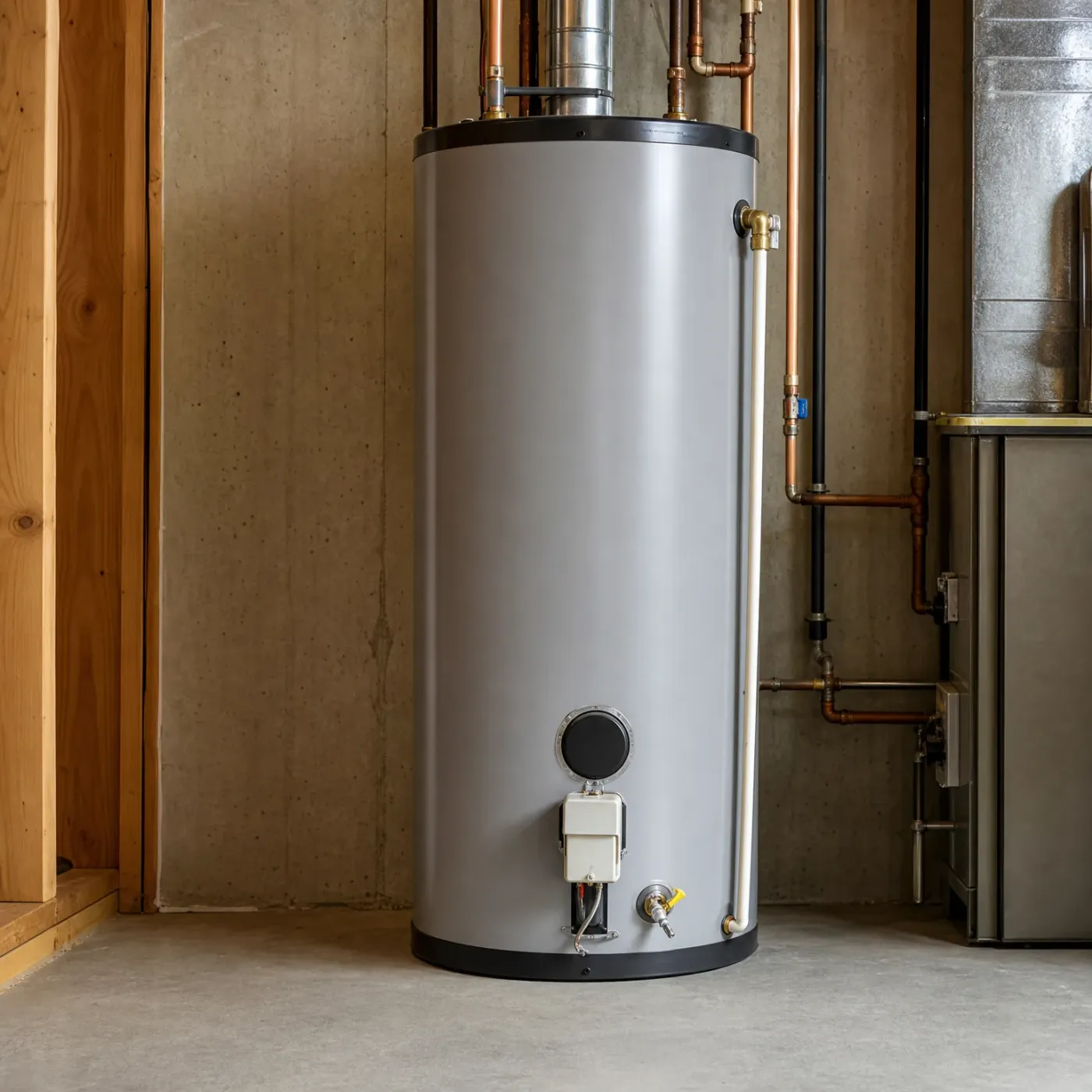
The flame burns steady and blue, wrapped around the thermocouple tip. The valve senses it and keeps gas flowing without a hitch. Supply lines are clear, the flue draws right, and nothing in the room is pulling a draft across the burner.
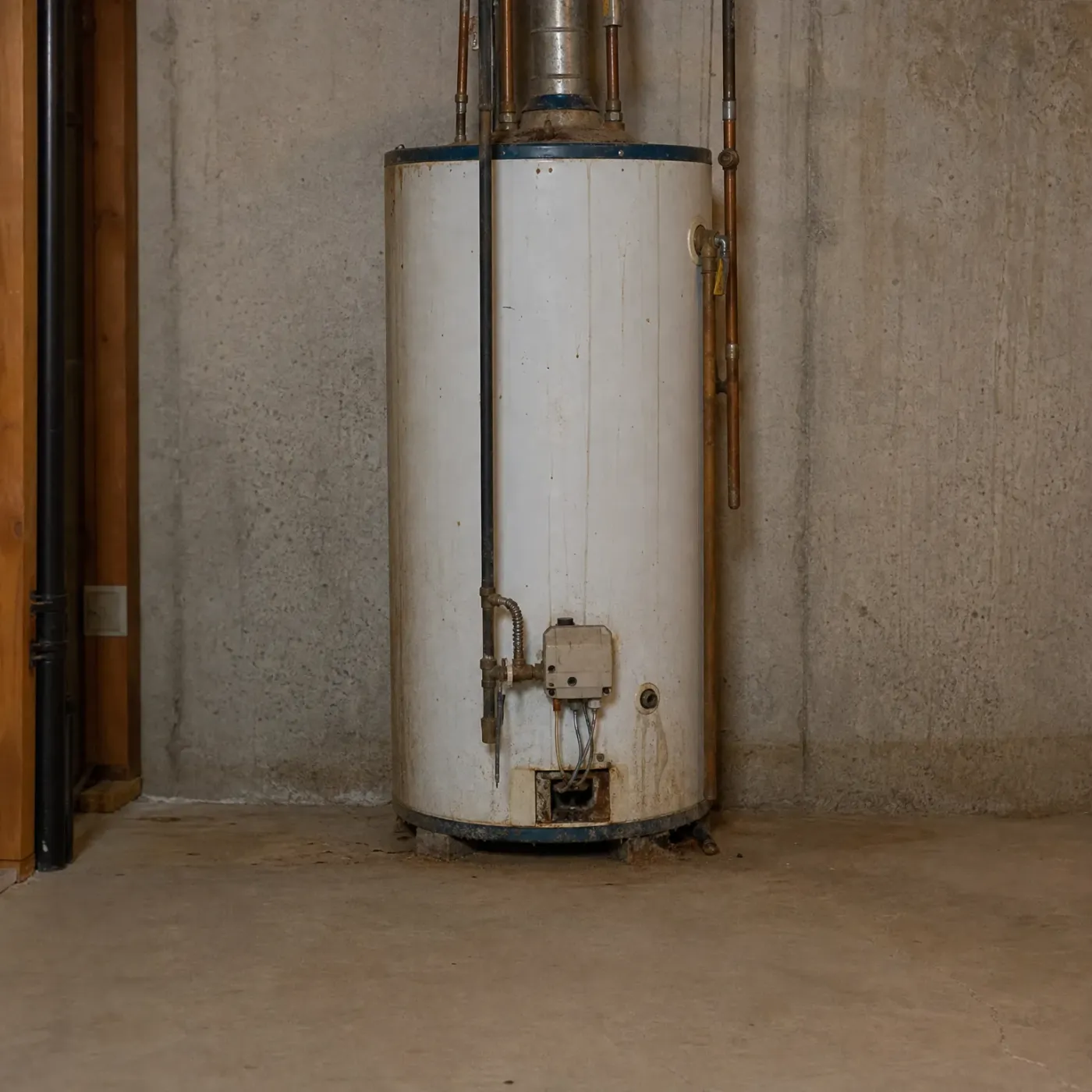
Rust streaks down the jacket and the flue pipe at the top has started to corrode. A tank in this shape often has a pilot that's gotten harder to keep lit, since worn parts and a weakening thermocouple tend to show up together the longer a unit sits unchecked.
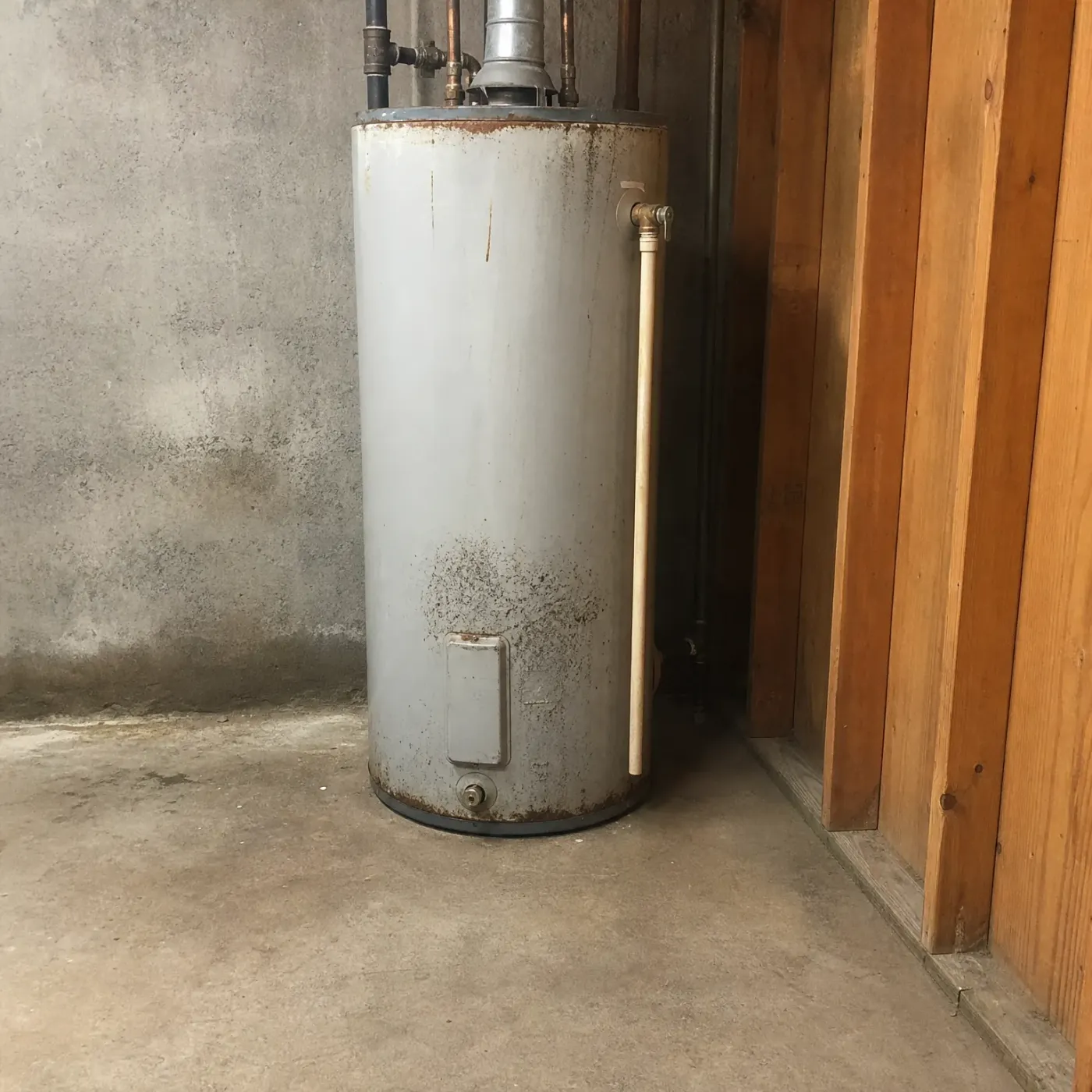
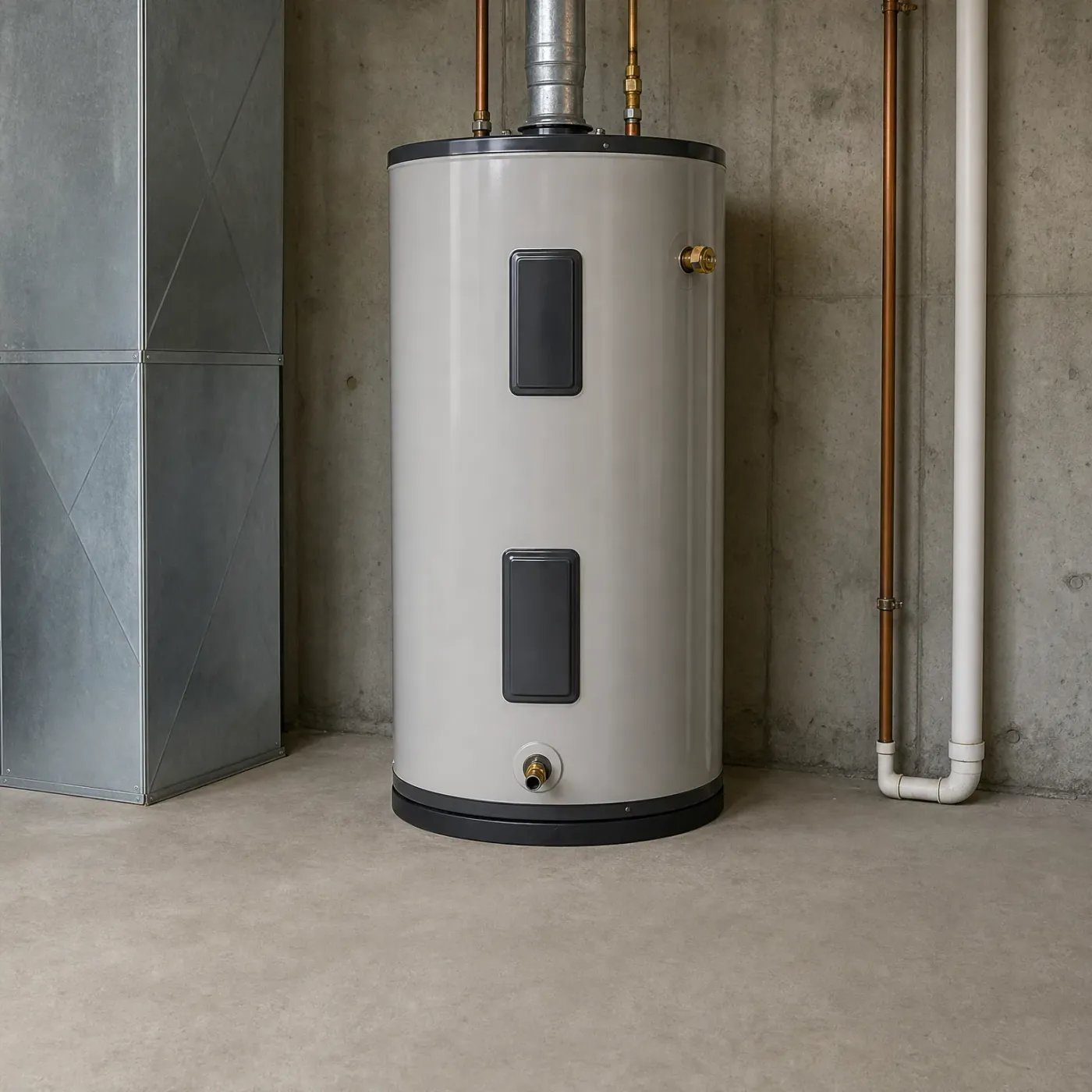
Close to half the homes in Alaska heat with gas, so odds are your water heater runs on it too, with a pilot light that has to stay lit through the cold to keep hot water coming. When that flame won't hold, it's not just an inconvenience here. It's your hot water going out along with it.
ACS 2020-2024 5-year B25040
A pilot that won't hold almost always comes down to one of three things: a thermocouple that's worn out or sitting wrong, a draft bending the flame away from it, or a pilot tube too dirty to feed it enough gas. Each one shows up the same way, a flame that goes out when the house gets cold, but they're not the same fix. A thermocouple gets swapped. A draft means checking where the tank sits and whether the flue is drawing the way it should. A dirty tube gets cleared. Relighting it yourself tells you it still works when it's lit, but it doesn't tell you which of these three is behind it going out, and it won't stop the next outage. That's the part that takes someone who works on these tanks through an Alaska winter and knows which of the three is most likely given how your pilot is behaving. A plumber licensed to work on gas appliances can usually tell within minutes once they're looking at the flame itself and the thermocouple's position against it. Gas heats most hot water here, and a pilot that won't hold through the cold months means no hot water until the actual cause gets found and fixed, not just relit. The sooner that happens, the sooner you're done walking down to that tank every other night.




Hand off the search today
The pro who reaches out is licensed in Alaska.
