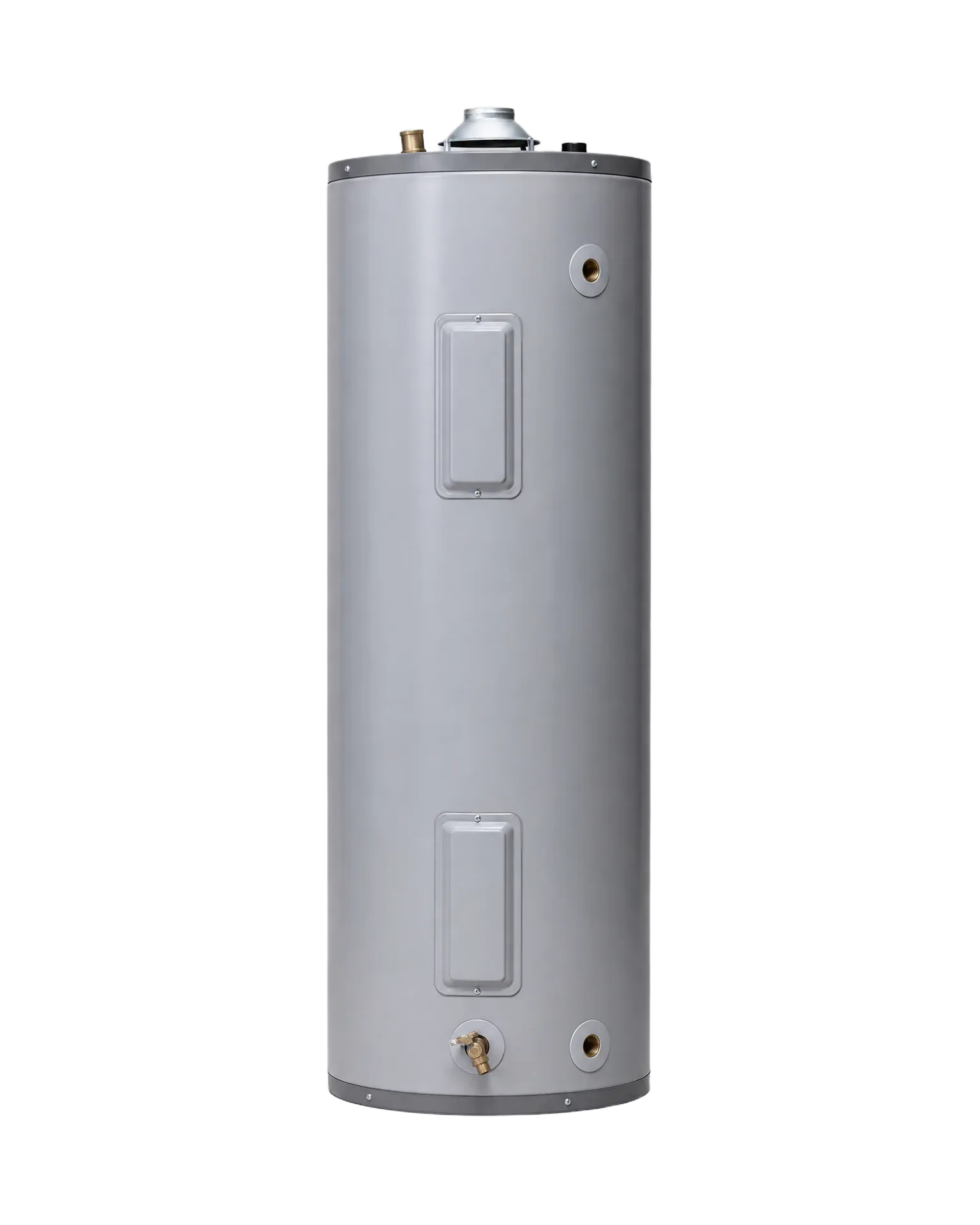
Set your water heater to 120 degrees. That's hot enough for showers and dishes without wasting energy heating water hotter than you'll use, and it lowers the risk of scald burns for kids or older adults in the house. Most water heaters ship from the factory set to 140, so if yours has never been adjusted, it's probably running higher than it needs to. Since most homes here heat with gas, the thermostat dial is usually right on the tank, near the bottom, and you can turn it down yourself with a flathead screwdriver. If your water doesn't feel hot enough at 120, or it takes a long time to recover between showers, that's often a sign of sediment buildup in the tank rather than a reason to turn the temperature up further. A yearly flush keeps the tank working the way it should.


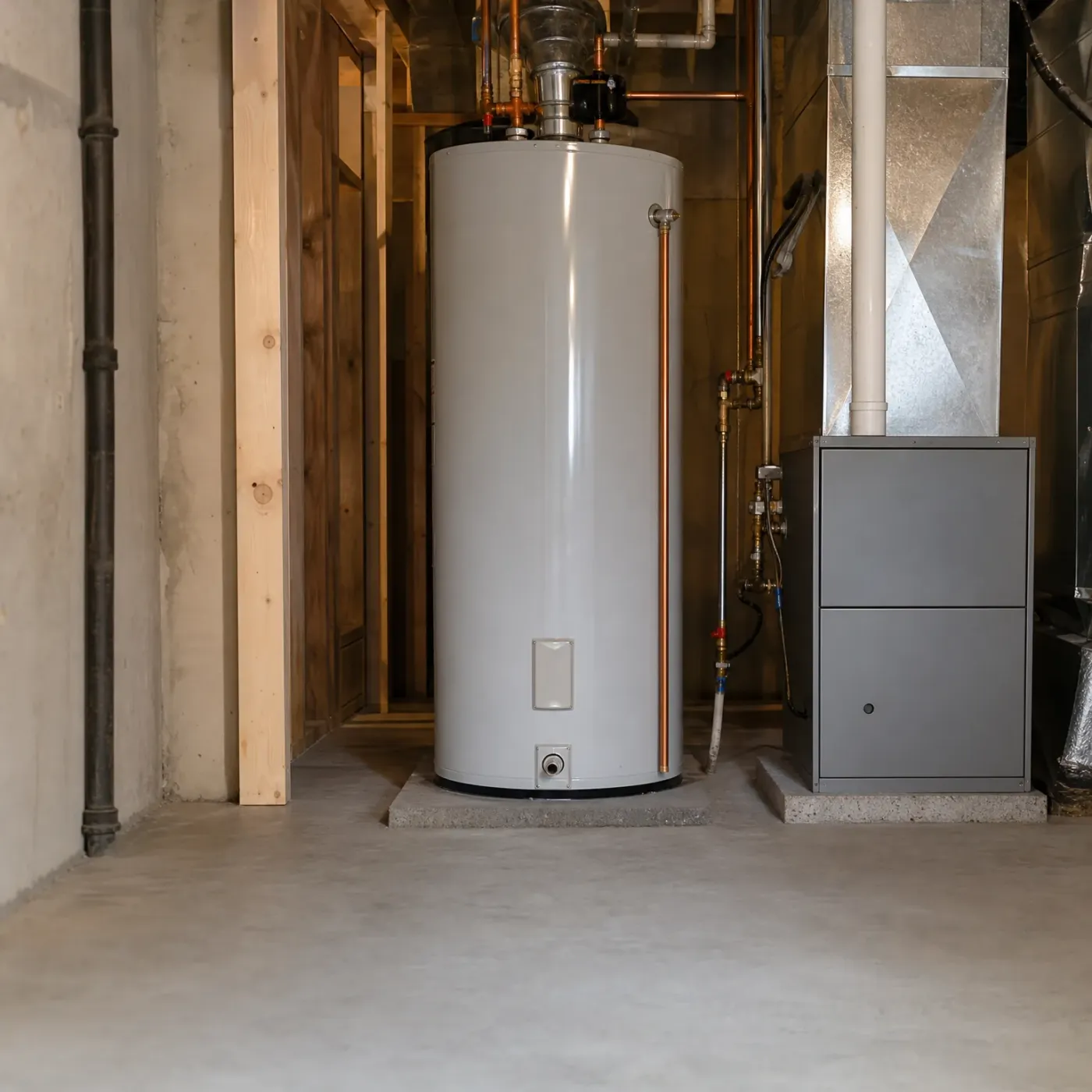
The dial on a gas water heater doesn't show degrees most of the time. It shows warm, hot, and a line near the top, so getting to 120 means checking the water itself rather than trusting the marking. Turn it up and the burner at the bottom of the tank runs longer to reach that higher point, which on a gas system means more fuel burned over the year to hold a temperature you probably don't need. The dial can also drift from what's really happening inside the tank, especially as sediment builds up on the bottom. That buildup makes the burner work harder just to hit the same setting, so a tank that seems to be running hotter or colder than it used to might just need the sediment cleared rather than the dial adjusted. The way to find 120 without guessing is to move the dial a little, wait a few hours, and check the water at the tap with a thermometer. Move it again if needed. A gas water heater that's maintained, with the sediment cleared out, holds its setting more reliably, which is the part a dial alone can't tell you.
How the dial actually works
- The thermostat dial sits on the side of the tank near the gas valve, usually marked with a warm-to-hot range instead of exact numbers.
- Turning the dial to the hottest setting pushes most tanks past 140 degrees, which is where scalding happens in under five seconds.
- A gas water heater reaches its set temperature by burning fuel at the bottom of the tank, so a higher setting means longer burner cycles and more gas used over the year.
- The dial reading and the actual water temperature can drift apart over time, so checking the water at the tap with a thermometer tells you more than the dial does.
- Sediment that collects at the bottom of the tank makes the burner work harder to reach the same setting, which can look like a temperature problem when it's really buildup.
- Lowering the setting a few degrees at a time and checking the tap water after a few hours lets you find 120 degrees without guessing.





What 120 degrees means for your bill this winter
Power here is some of the most expensive in the country, and a gas water heater set too hot is still paying for it twice. Every degree above 120 means the burner fires longer to keep that tank at temperature, and it does that every time someone runs a shower or starts the dishwasher. In a state where heating already takes a big bite out of the winter bill, that's one more place losing money for no real benefit.
A tank running hotter than it needs to also wears faster. Higher temperatures push more mineral buildup onto the tank walls and the heating element, and that buildup is what shortens a water heater's working life. If yours has been running hot for a while, a local plumber can check the tank condition and flush it, rather than you spending an afternoon calling around to find someone who works on water heaters and explaining the same thing to every one of them.

49.1% of homes statewide heat with gas
If your water heater runs on gas like just under half the homes in Alaska, the 120 degree setting is doing more than cutting the bill. It keeps the burner cycling on a predictable schedule, which matters when that burner is also fighting a long, cold winter.
ACS 2020-2024 5-year B25040


No phone calls to make
Checking your thermostat setting is one thing. Finding out why a gas water heater in your home keeps drifting back to scalding temperatures, or why the pilot won't hold, or why the tank is rusting from the inside, is another. That usually means calling around, explaining the same problem two or three times, and weighing quotes from people who've never seen your tank. A contractor working on water heaters in Alaska through the winter has seen what the cold does to a pilot light and what hard use in a short summer does to a tank's anode rod. Your request goes to one contractor who works this equipment in this climate, not a handful competing for the job. With power costs what they are here, a tank that's cycling wrong or losing heat it shouldn't is worth having looked at before the cold settles in for good.
120 degrees, checked once and done
- 120 degrees is the number to set and check again after any maintenance visit.
- A tank that drifts hotter on its own usually points to a thermostat problem worth having looked at.
- A contractor who works on gas water heaters through Alaska winters has seen which tanks hold their setting and which don't.
- One licensed local contractor takes the call, so you're not fielding quotes from four different companies.
- Rust at the fittings or a pilot that won't hold are worth mentioning in that same visit.
- Getting the setting right once, with someone who knows the equipment, beats checking the dial all winter.
120 degrees is where the dial should sit and where it should stay. If it doesn't, that's information, not just an inconvenience. A thermostat that creeps back up on its own after you've set it right is telling you something about the unit itself, and that's a different conversation than the one about where to set a dial.
That's the kind of thing a contractor who works on gas water heaters all winter in this state has seen before. Someone who's been into tanks all over Alaska knows which ones hold 120 through a cold snap and which ones drift, and usually knows why before they open the panel. Rust working its way up from a fitting, a pilot that won't stay lit, a thermostat that won't hold a number. Those are worth raising in the same visit instead of waiting for them to turn into a tank that needs replacing.
One contractor gets this call, not four. That means no retelling the problem to a different voice each time, no stack of quotes to sort through and compare, no guessing which company actually knows gas tanks versus which one just installs them. Just someone local, licensed, and familiar with what Alaska winters do to a water heater, taking a look and telling you straight what's going on.
Set it to 120. If it won't hold there, that's worth having someone check.

Water Heater Maintenance
One form, no calling around

- A local pro who services water heaters gets in touch about the tune-up.
- Describe your water heater job, and a local pro who handles it gets in touch.

- Send the form, and lining up the water heater tune-up stops being yours to chase.
- Send the form and the water heater tune-up stops being something to remember.

- Answer a few questions instead of calling shop after shop.
- Describe your water heater job once, to one pro.

- Your request stays with one local pro.
- Your request goes to one pro, not a list of companies.