








Why you run out of hot water fast in Alaska

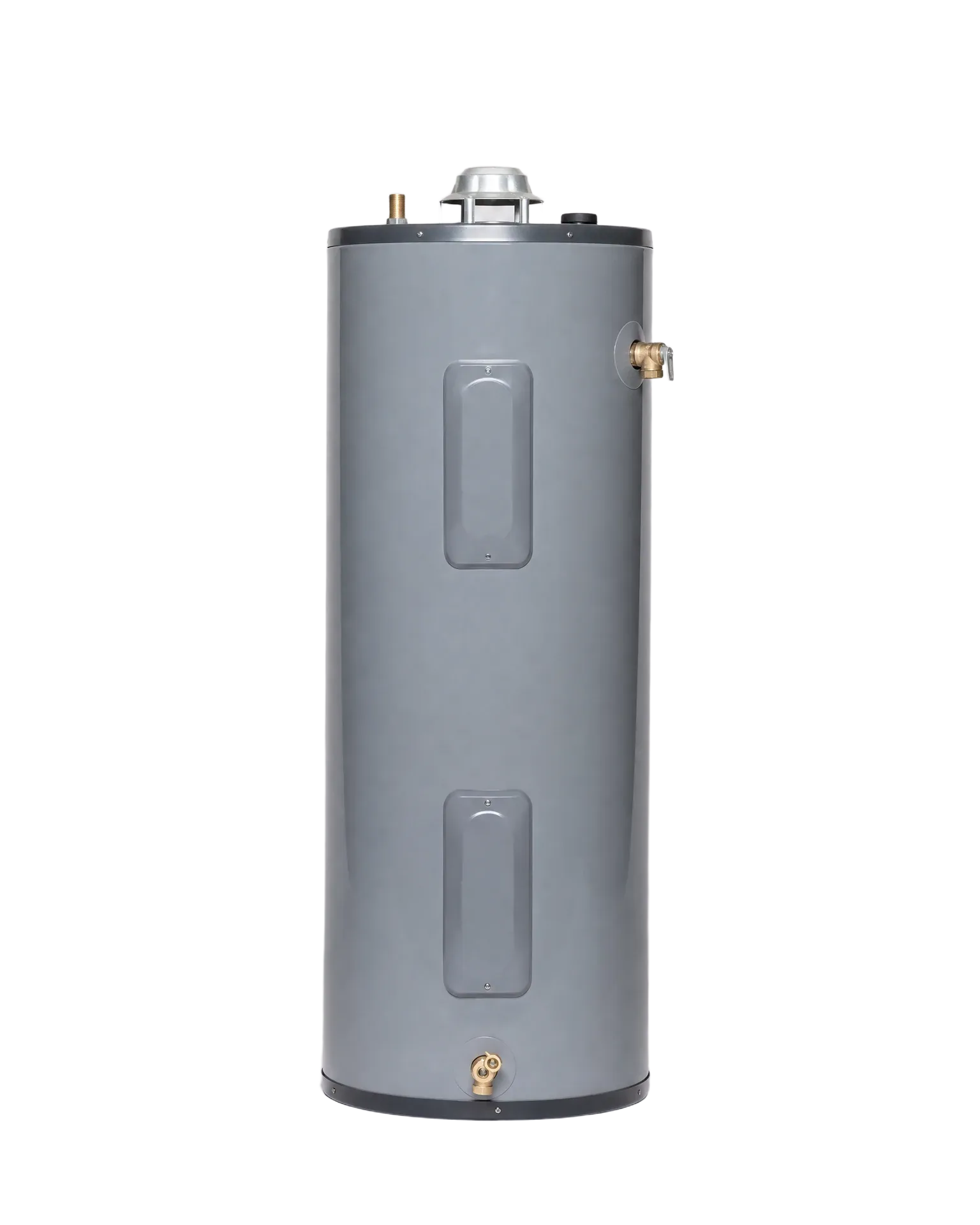
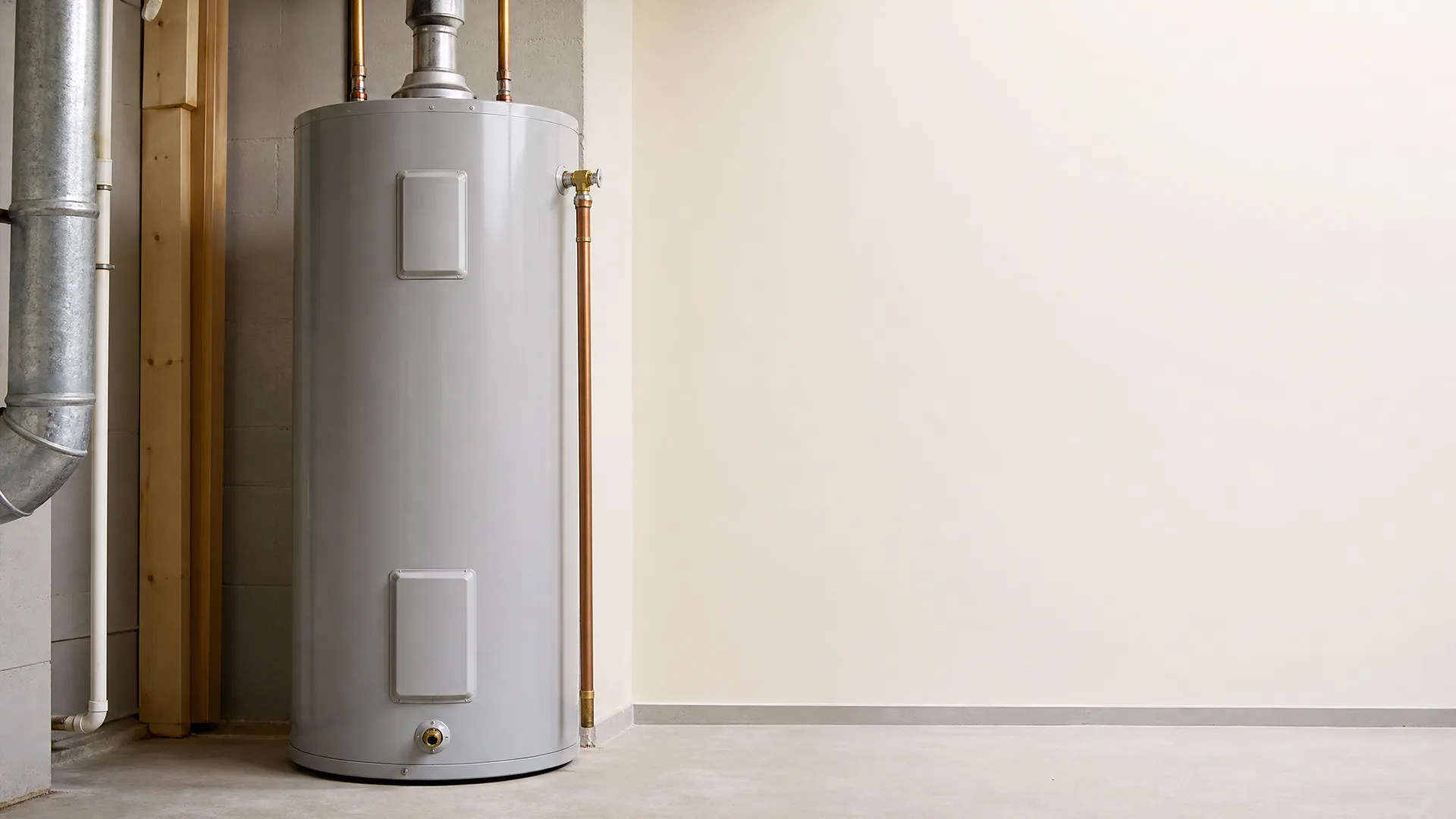
A gray cylindrical water heater with two access panels, a brass side valve, a bottom drain valve, and a metal vent cap on top, photographed against a plain light background.
Find a pro near me

Why do I keep running out of hot water fast here in Alaska?

Cold incoming groundwater is the usual reason, but a short supply of hot water also points to a tank that can't keep up or a heating element or burner that isn't doing its job anymore. If this started suddenly, that's worth paying attention to.

Your tank is working harder for less hot water, and something in it has likely failed

Groundwater coming into your house in Alaska runs cold most of the year, so your water heater has to work harder just to get it up to temperature, and that alone shortens how long a tank of hot water lasts. If you're running out faster than you used to, the usual causes are sediment built up in the bottom of the tank, taking up space where hot water should be, or a gas burner or heating element that's no longer putting out full heat. Either one shrinks your actual hot water supply even though the tank size hasn't changed. A sudden drop usually means a part failed, not that you're using more water than before.

  1. Groundwater enters the tank already cold from Alaska's chilly supply lines.

  2. The burner or element heats that cold water slower than usual.

  3. A failing thermocouple or sensor shuts the burner off early.

  4. Sediment in the tank blocks heat from reaching the water above it.

A smiling man in a dark navy sweater sits on a light sofa in a living room, with a glass bowl of popcorn on a wooden coffee table and bookshelves behind him.
A smiling man in a dark green sweater sits on a tan leather sofa in a dimly lit living room, with a bowl of popcorn in the foreground and a kitchen area blurred behind him.
A smiling middle-aged man in a dark shirt sits on a gray sofa in a living room, with a bowl of popcorn on a side table and shelves, a window and kitchen area behind him.
A smiling bearded man in a dark gray t-shirt sits on a gray couch in a living room, with a large glass bowl of popcorn on a wooden table in the foreground.

What This Looks Like At Home

  • A shower that turns cold after eight or ten minutes usually means the tank can't recover fast enough with Alaska's cold supply water.
  • If the water never gets properly hot even right after the tank fills, the burner or element may be failing rather than just running behind.
  • A gas water heater that short-cycles on and off wastes fuel while still leaving you with lukewarm water by the second load of dishes.
  • Sediment sitting at the bottom of the tank cuts into how much usable hot water you actually get, even if the tank is full.
  • Running the water heater harder to compensate adds to a power bill that's already among the highest in the country.
  • Ignoring a sensor or thermocouple problem now can leave you without hot water altogether on a morning you need it.

You notice it in the small routines. A shower that starts fine and turns cold before you're done. Dishes that still feel greasy because the second load never gets real hot water. A tank that runs almost constantly trying to keep up with how cold the water comes in here, and a power bill that shows it. None of this is random. Groundwater in Alaska comes in cold, so the burner or element has more work to do just to reach a normal temperature, and if that part is wearing out, the tank falls further behind every time someone runs the tap. Sediment makes it worse by sitting between the burner and the water, so the tank can be full and still short you on hot water. A unit that's short-cycling, clicking on and off without settling into a steady burn, is often the clearest sign that something inside has already started to fail. Left alone, that usually doesn't stay a minor annoyance. A thermocouple or sensor that's failing intermittently now can fail completely later, and water heaters tend to pick the worst mornings to quit. None of this means the tank is beyond saving. A contractor who works on water heaters in Alaska can look at the burner, the element, the sensor and the sediment and tell you which one is actually behind what you're feeling in the shower.

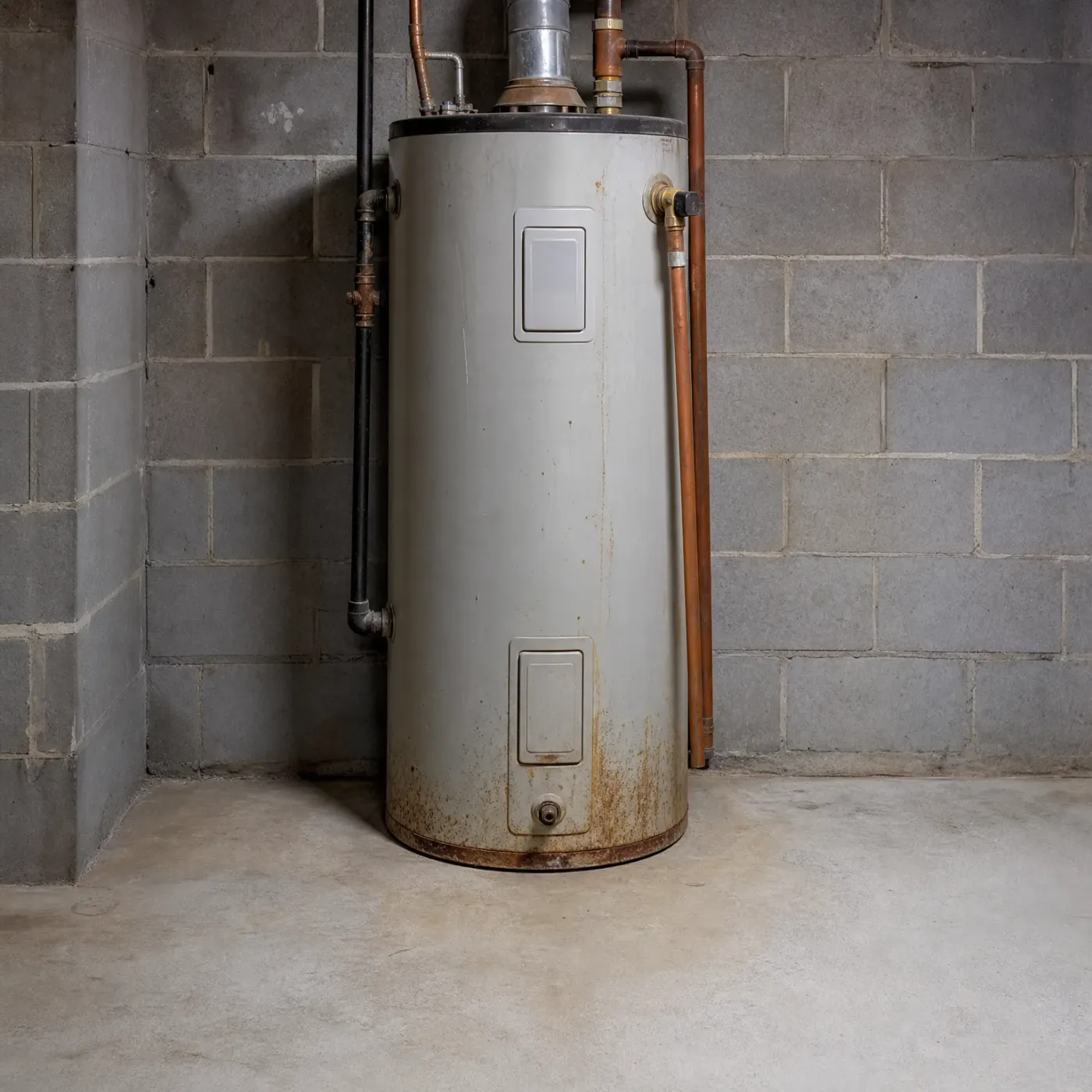
A rust-streaked cylindrical water heater with copper and black metal pipes stands in a concrete-block basement corner on a bare concrete floor.
Before you get your water heater repair
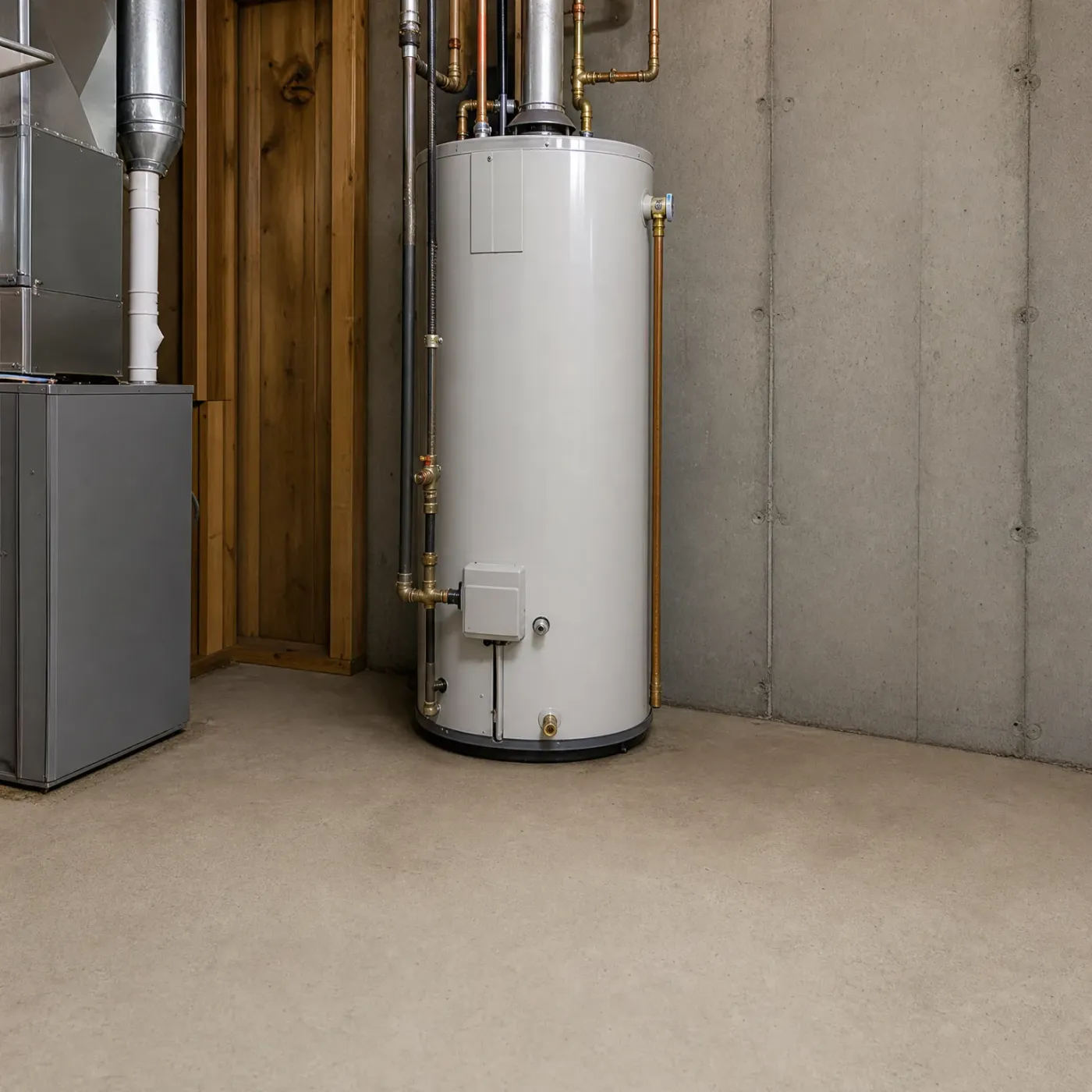
A white cylindrical gas water heater with copper and steel pipes stands against a concrete basement wall beside a gray furnace and wood-paneled wall.
After you get your water heater repair

Get the right pro for your water heater

Send the request today and let a water heater pro reach out to you.

You only hire the pro if you want to.

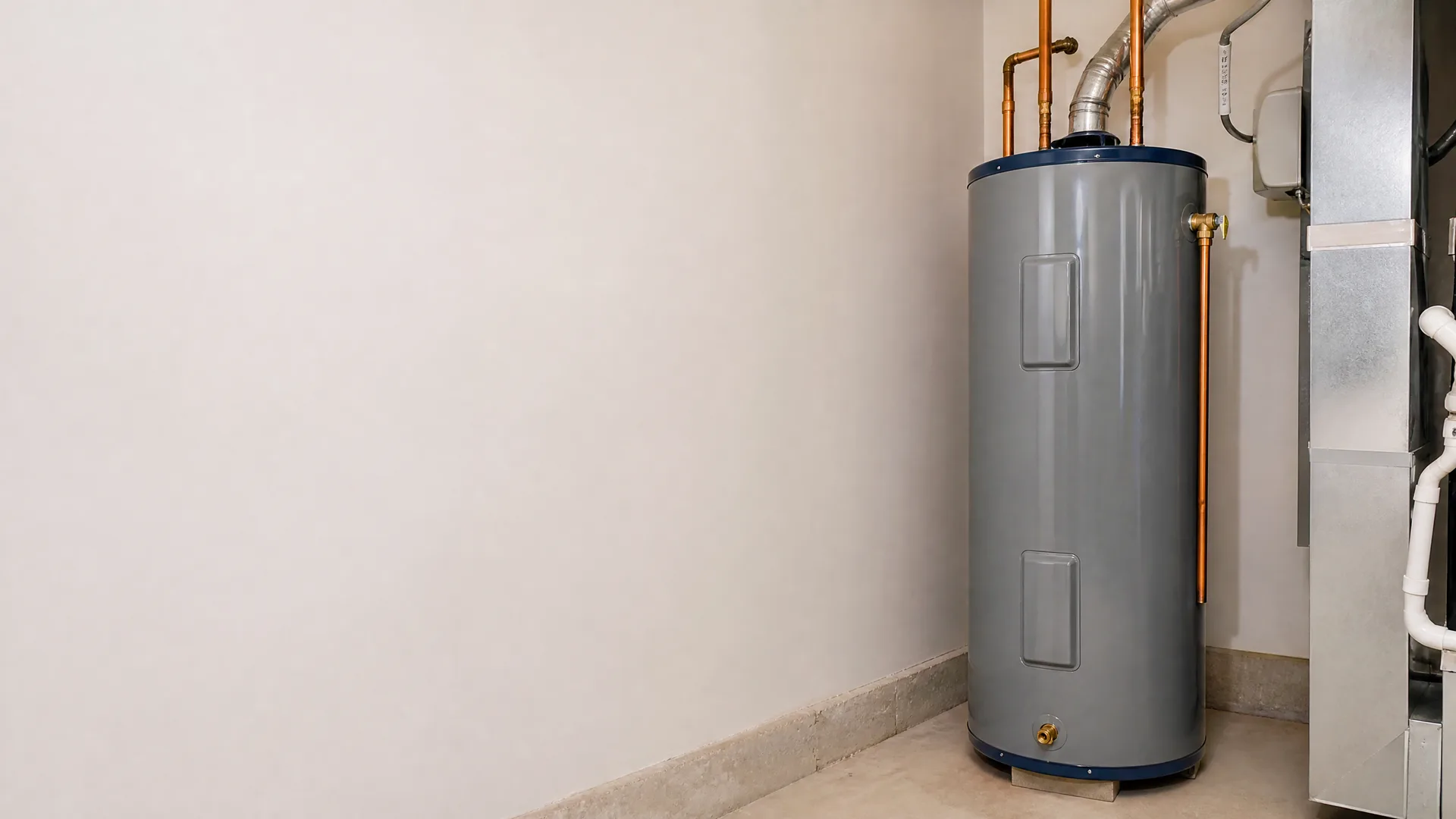
A gray cylindrical water heater with copper pipes stands in a basement corner beside a metal duct and wood framing, next to a plain beige wall and concrete floor.

Why cold ground makes it worse

Alaska's supply water comes in close to the tank's cold inlet temperature nearly all year, since the ground it travels through rarely warms up. A gas burner or electric element has to lift that water a lot more degrees than it would somewhere warmer. A tank rated for a household in a mild climate can run out faster here simply because it has more work to do per gallon, not because anything is broken.

A gray cylindrical water heater with copper pipes stands in a corner of a basement utility room beside metal ductwork and white PVC piping.

What sediment does inside the tank

Water heaters sit for hours between uses, and minerals in the water settle to the bottom of the tank over time. That layer sits between the burner and the water above it, so heat has to pass through sediment before it reaches anything useful. A tank with a thick layer at the bottom heats slower and holds less usable hot water, even though the thermostat still reads the same setting it always has.

A smiling man in a denim shirt and white t-shirt stands in an open dark doorway of a stucco house, facing a woman with long brown hair and a green jacket seen from behind in the foreground.

What a short tank means for your evenings

You already know the feeling. Dishes still in the sink, someone else wants a shower, and the water turns cold before anyone's done. In a house that heats with gas, that usually means the burner is losing the fight against Alaska's cold supply line. In a house with an electric tank, it can mean one element is carrying a job meant for two.

Either way it's not something that fixes itself, and waiting on it tends to mean more cold showers before it means fewer. Once you send in the form, you're not the one who has to track down a plumber or sit on hold. A contractor who handles this in Alaska gets matched to you and reaches out directly, so the only thing left on your evening is getting your hot water back.

Interior corner of a room with a window and sheer curtain at left, a gray upholstered sofa with a cushion at right, and a round wooden table holding stacked books and a round vase with an olive branch.
A woman in a dark gray sweater reclines on a light sofa with eyes closed and a slight smile, under a textured gray blanket with an open book resting on her lap, with a lit table lamp and plant in the background.
A smiling bearded man in a navy crewneck sweater sits at a dinner table with a glass of red wine, plates and glasses in the foreground, in a dimly lit room with a lamp and framed picture behind him.

49.1% of homes statewide heat with gas

Most homes in Alaska heat with gas, and yours probably runs a gas water heater too. Gas burners usually recover faster than electric elements, so if yours is still falling behind, the burner itself is likely the problem.

ACS 2020-2024 5-year B25040

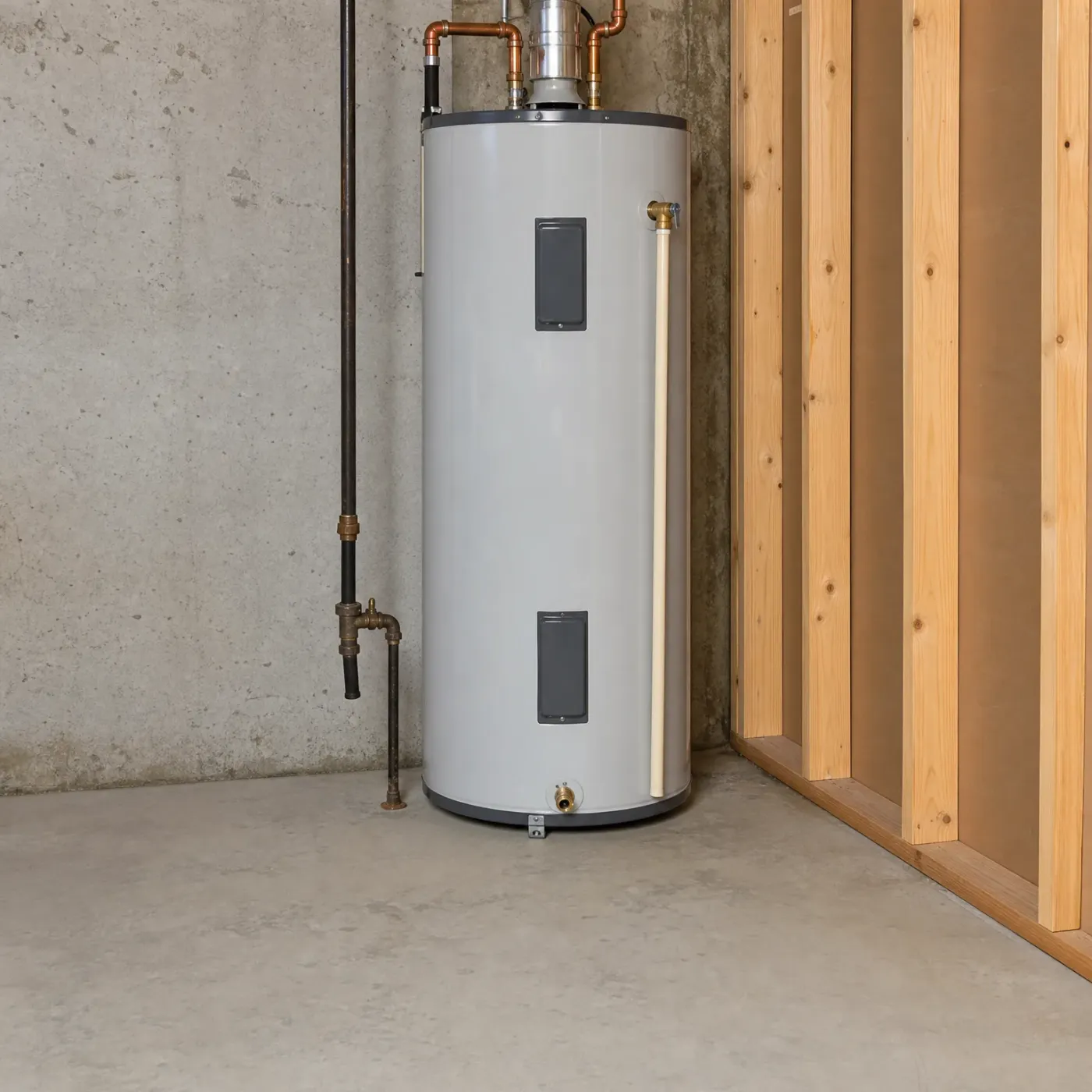
A light gray cylindrical water heater with two access panels stands on a concrete floor against a concrete wall, with copper and black pipes beside it and an unfinished wood stud wall to the right.

Tank keeping up

The panels, the relief valve, the drain valve all sit where they should, and the pipes run clean. Water comes up to temperature and stays there through a full shower, dishes, a load of laundry. Nothing about the recovery time makes you think twice.
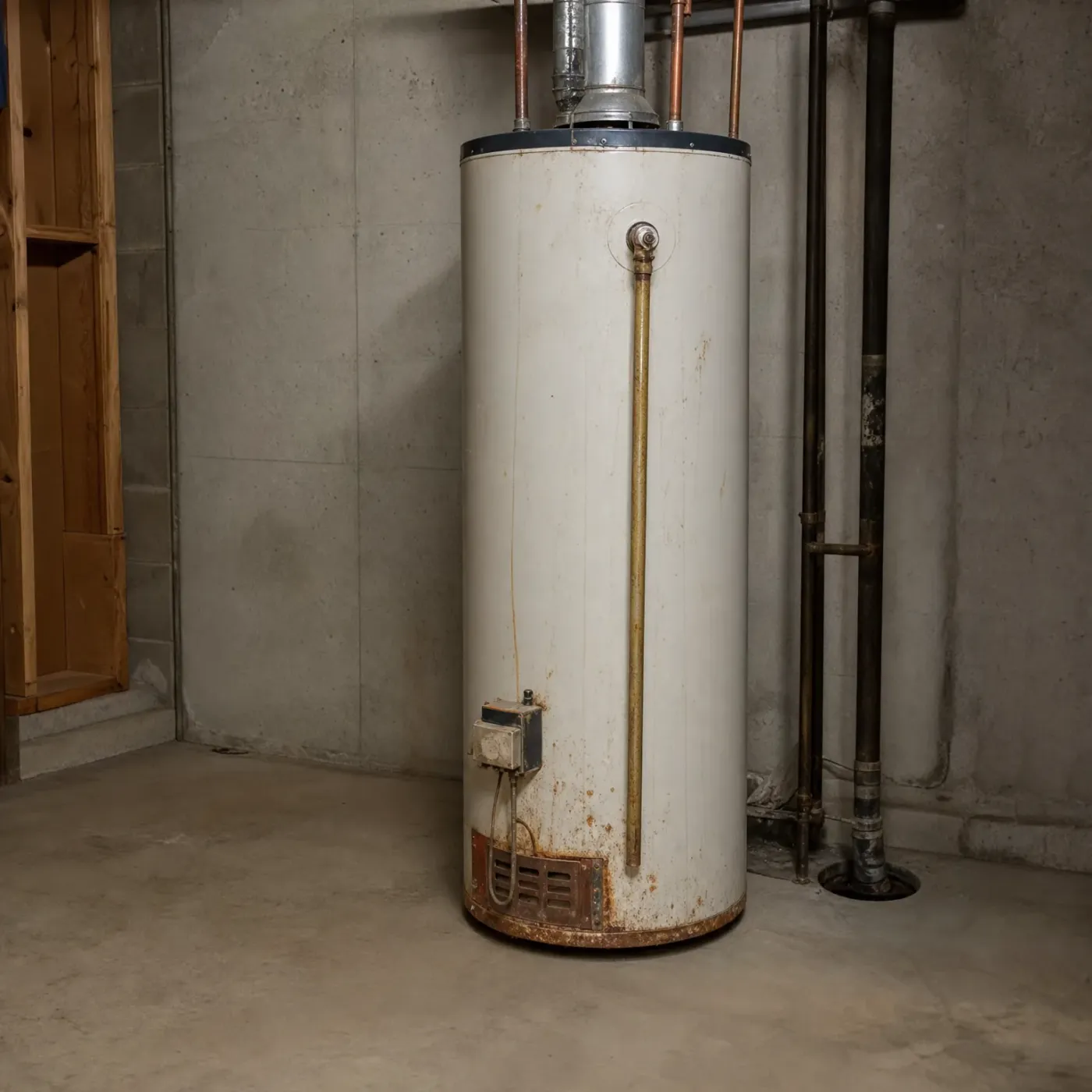

An older white gas water heater with rust staining and an exposed vertical pipe stands against a concrete block basement wall, with a metal flue above and black vertical pipes to the right.

Tank falling behind

Rust creeps up the base and the discoloration keeps spreading. That's the kind of wear that slows a burner down long before it quits outright. If your showers are already running short, a tank showing rust like this is usually why.

Cold supply water is working against your tank from the moment it comes in, and if the burner or element has started to slip, that cold water never gets the lift it needs. A short shower, dishes still waiting, water that won't come back up to temperature: that's a tank losing ground, not one having an off night. The fix is a repair, not a new routine around your own hot water. Once you send the form, you're done hunting for who's reliable and who'll actually show up. That part gets handed off, and a contractor who knows Alaska's water and these systems takes it from there. Your evening opens back up. No more checking the water halfway through a shower, no more running the dishwasher at midnight because that's the only window left. You already know what a short tank costs you in an evening. You don't have to keep paying it.

A single-story stucco house at dusk with a lit paver walkway lined by low path lights, desert plants and boulders in front, and distant mountains under an orange and blue sky.

Water Heater Repair

A pro who works on water heaters

Step 1 of 3: Equipment
  • A dimly lit living room corner with a beige upholstered sofa holding a dark green cushion and a chunky knit throw, beside a wooden sideboard with a lit ceramic table lamp, a small potted plant, and a wooden bowl, with a framed artwork on the wall and a mug on a book in the foreground.
    • Describe your water heater job, and a local pro who handles it gets in touch.
  • A round wooden coffee table holding a round stone vase of green foliage, a lit candle in a glass container, and a small dark bowl, with a beige sofa, cushions and knit throw behind and a window at left.
    • Once you send the form, finding a pro is off your list.
    • After you send the request, you're done searching.
  • Sunlit living room with a wooden coffee table holding a ceramic vase of leafy branches and a carved wooden tray with two stacked books, in front of a beige sofa with tan and green cushions and a potted plant near a window.
    • Answer a few questions instead of calling shop after shop.
    • Describe your water heater job once, to one pro.
  • Interior corner with a lit ceramic table lamp and wooden bowl on a wood sideboard, a framed picture and branch-filled vase behind, a knit throw over an upholstered chair, and a lit candle in a glass holder, stoneware mug and round planter of green foliage on a wooden table in the foreground.
    • Only one pro gets your request, so you hear from one company.
    • Your request stays with one local pro.



