Left alone
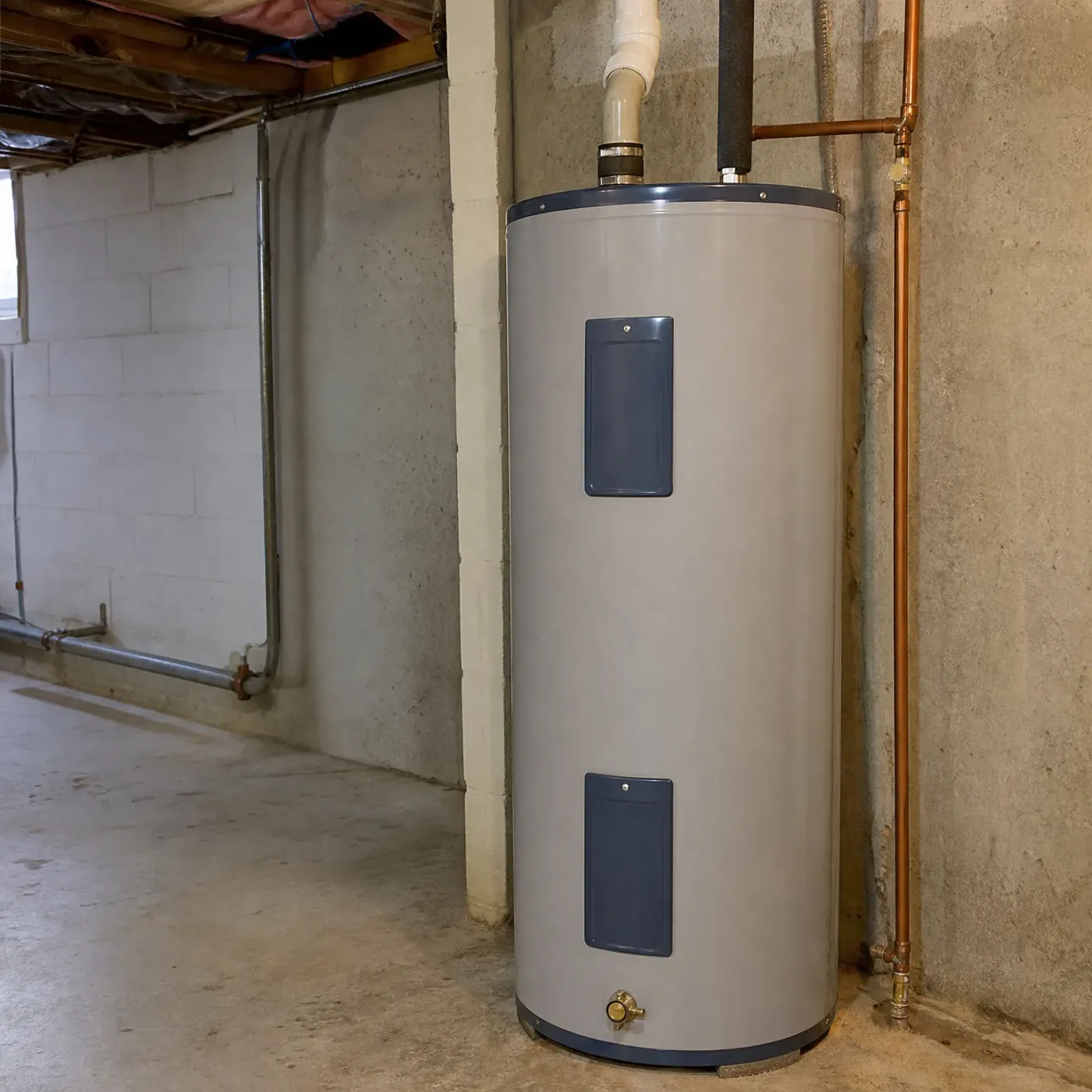
The crust keeps trapping water under the burner, so the popping gets louder and the tank works harder to heat the same amount of water.
Get your water heater to the right pro
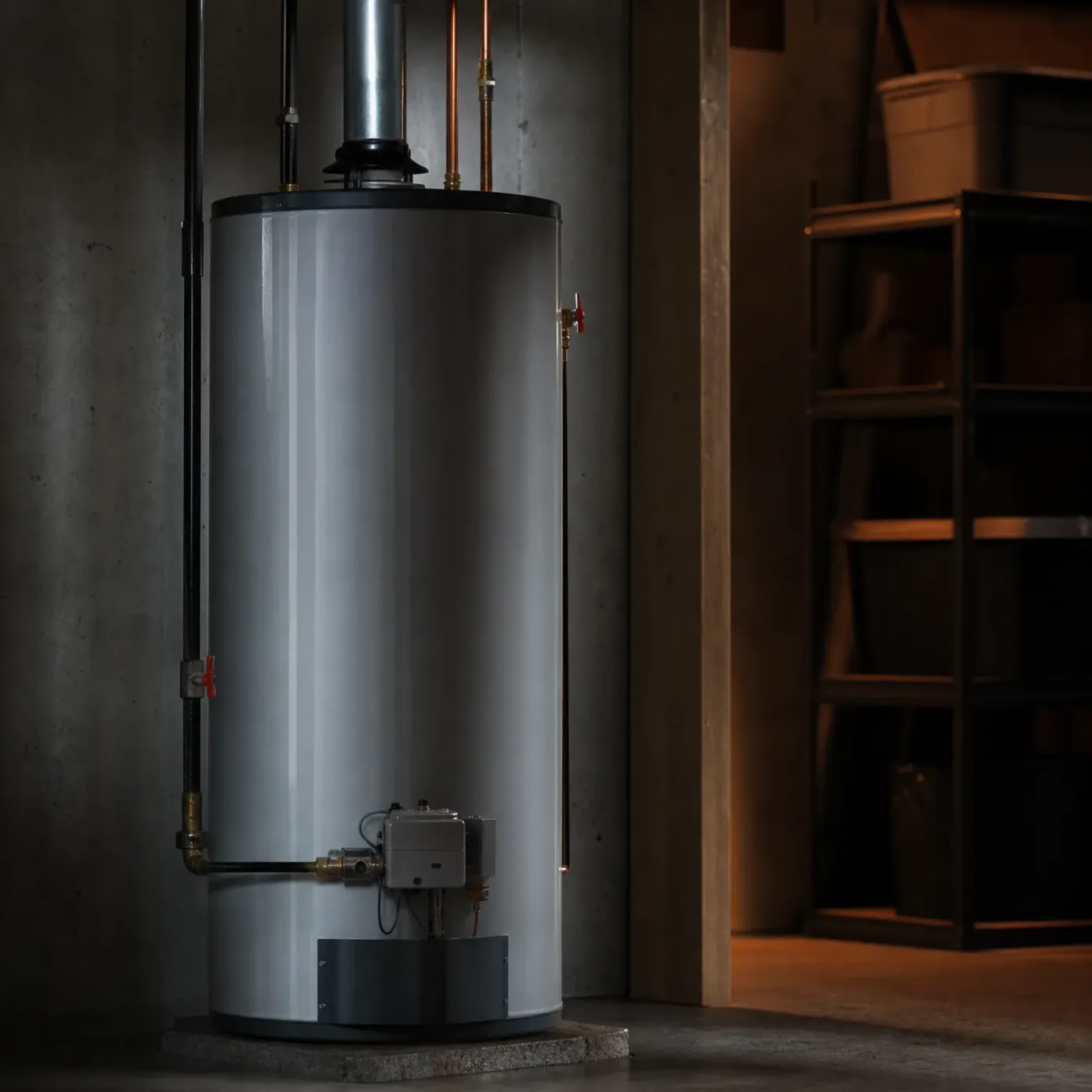
Popping sounds usually mean sediment has built up in the tank, and that buildup can get worse with Alaska's mineral-heavy water. This page gets into what's rattling around in there and why it happens. A local contractor who works on water heaters all year, not just one season, can take a look and tell you what it'll take to quiet it down.
Get matchedThe popping and cracking you're hearing is water boiling up through a layer of sediment sitting at the bottom of the tank. As the burner heats the tank, pockets of water get trapped under that sediment and turn to steam, and the popping sound is those bubbles breaking free through the debris. Alaska's water tends to carry a lot of minerals, and those minerals settle out as the water gets heated, building a crust on the tank floor over time. The thicker that layer gets, the harder the burner has to work to heat the water above it, since the sediment acts like insulation between the flame and the water. That means higher gas use for the same amount of hot water, and in a gas tank, it also means the bottom of the tank is working harder than it should. Left alone, the buildup can shorten the life of the tank itself.
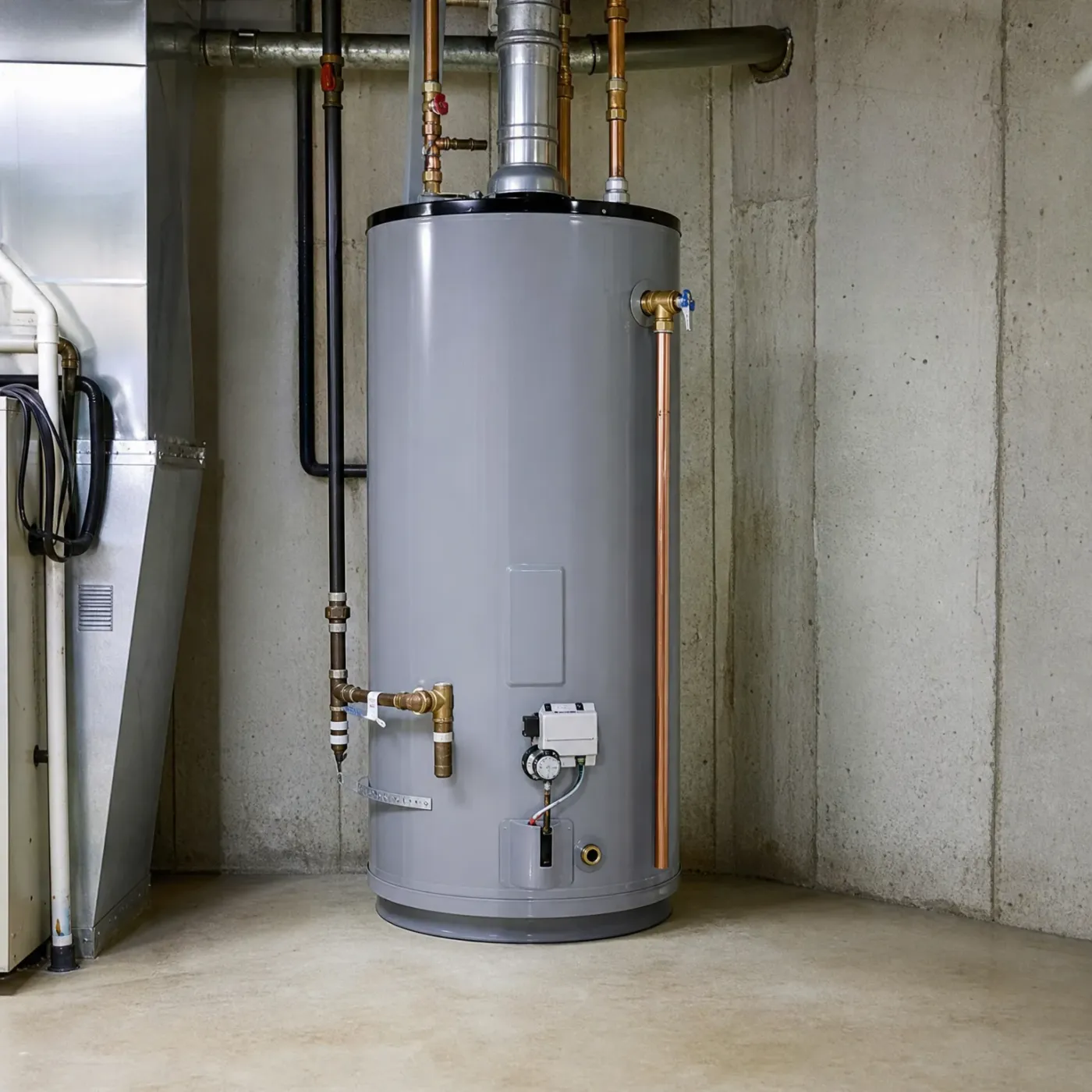
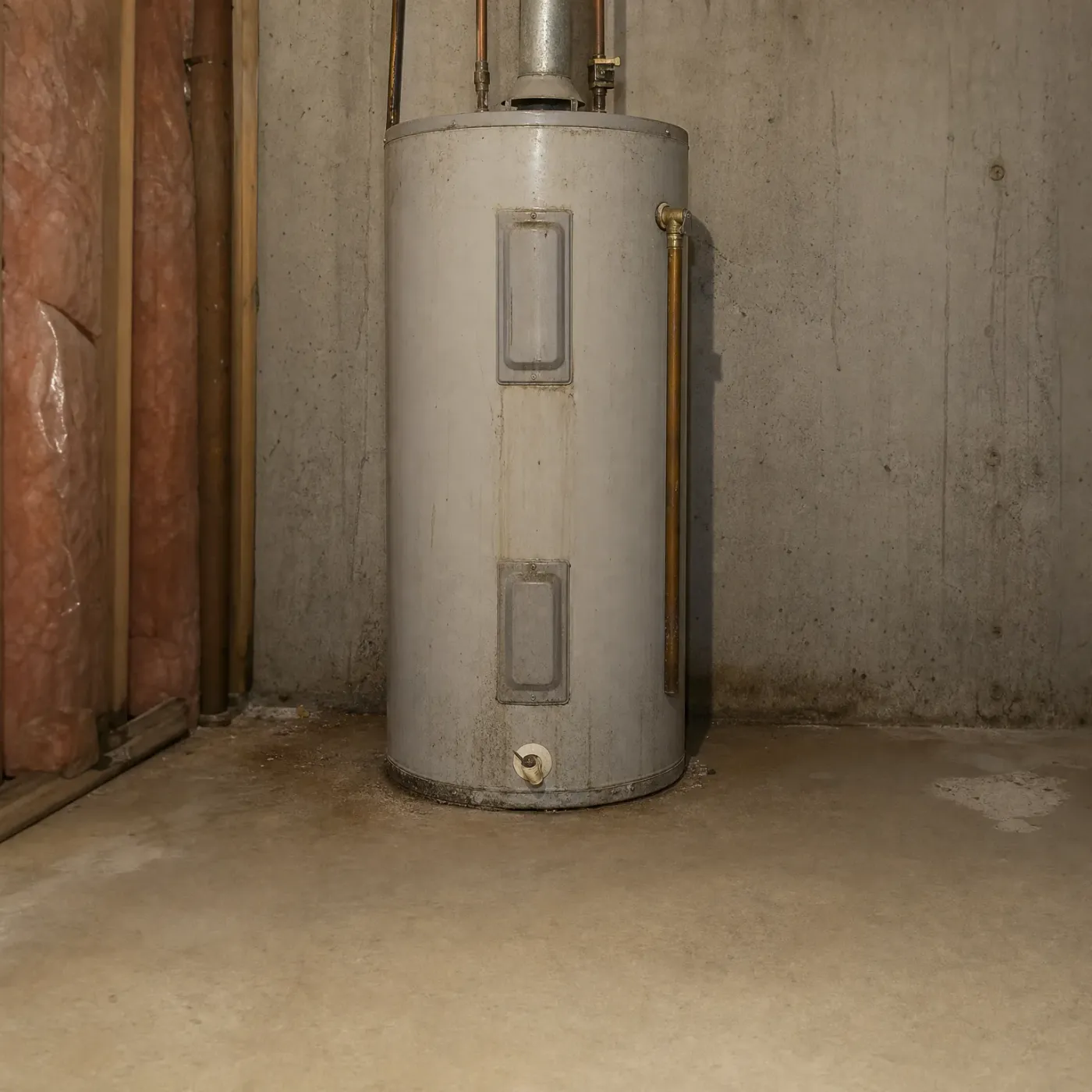
The crust forms right where the burner hits hardest, on the tank bottom, because that's where Alaska's mineral-heavy water drops its sediment first. Water gets trapped underneath it, turns to steam before the rest of the tank has warmed, and pops when it finally breaks free. That part doesn't change. What changes is how long it takes the burner to push heat through a layer that keeps getting thicker. A tank with a thin crust might pop a few times and go quiet. One that's gone years without attention makes the burner run longer every cycle, since it's heating through sediment instead of water. That shows up as a higher gas bill before it shows up as anything else. Left alone, the sediment sitting against the glass lining wears it down from the inside, and a tank that's been popping for a long time is often the same one that starts weeping around the base. The noise is the early warning. What it's warning about gets worse the longer the tank runs this way.




Only one pro gets your request, so you hear from one company.
Tell a local repair pro what your water heater is doing.
No charge to send it. You decide if you hire them.
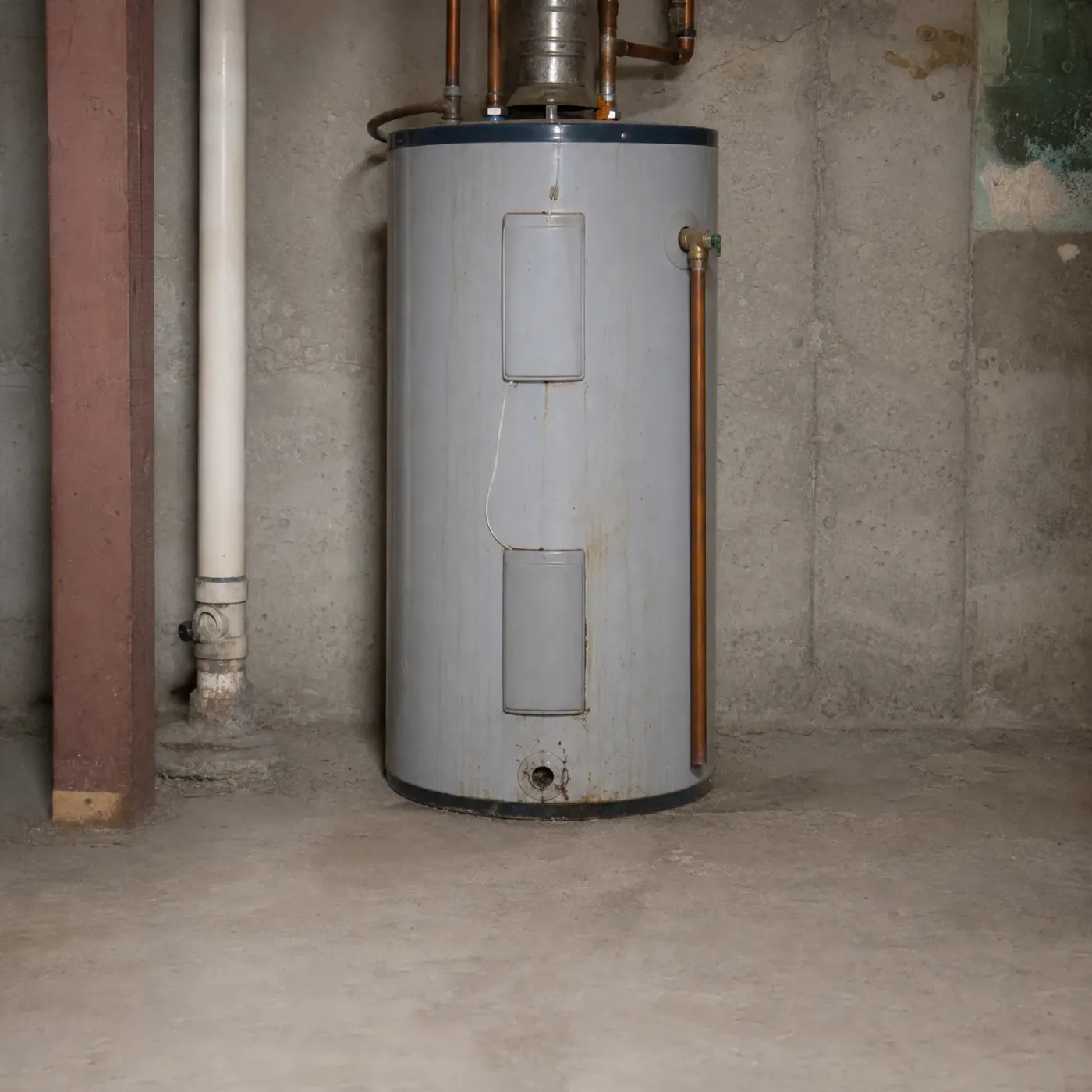
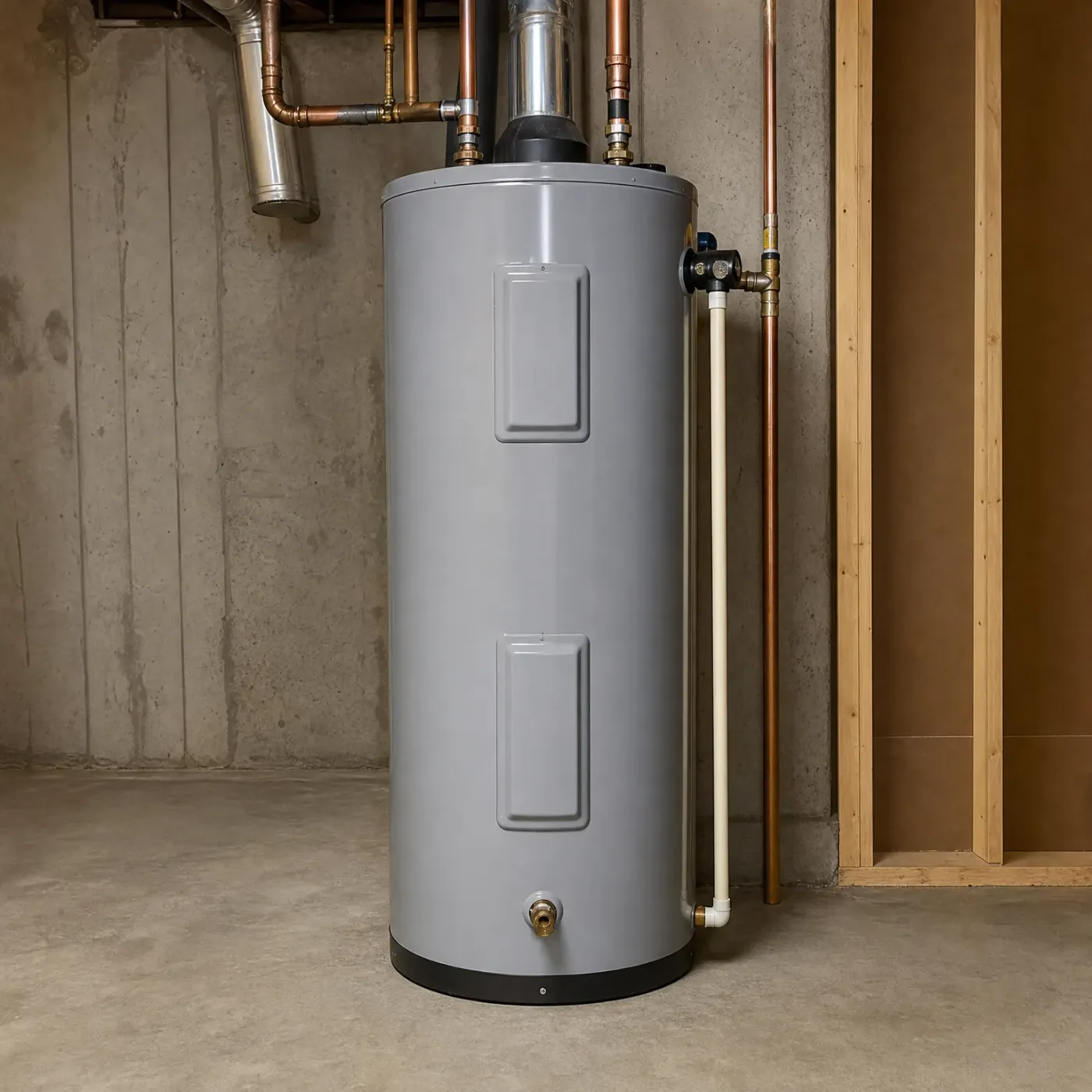
Sediment doesn't wash back out on its own. Every tank's worth of water that heats up leaves a little more behind, and it packs down harder each time the burner fires. That's why a water heater that's been quiet for years can start popping within a few months. Once there's enough sediment to trap pockets of water against the hot steel, the burner has to work through that layer to heat the tank at all. A thicker layer also means more surface area for water to get trapped under, so the popping tends to get more frequent rather than staying at the same level once it starts.
That layer sitting on the tank bottom is between the burner and the water it's supposed to heat. The burner has to push harder to get through it, which means it runs longer to reach the same temperature. Steel sitting under a crust of sediment also heats unevenly, and that's the kind of stress that wears a tank out from the inside well before the popping ever gets loud enough to notice. None of that shows up on the energy bill as an obvious jump, it just means the burner is working harder every time it fires to do the same job it used to do faster.


The crust keeps trapping water under the burner, so the popping gets louder and the tank works harder to heat the same amount of water.
Flushing or repair clears the sediment from under the burner, so the tank heats quietly again and isn't working around a crust of scale.
Most homes in Alaska heat with gas, and a gas water heater fires directly under the tank bottom, right where sediment settles out of the water first. That's the spot where trapped steam pops loudest, so if your water heater runs on gas, this is likely what you're hearing.
ACS 2020-2024 5-year B25040
The burner fires under the tank, heating the water above it.
Sediment on the tank bottom traps small pockets of water underneath it.
Trapped water heats past boiling before it can mix with the rest.
Steam bubbles push up through the sediment layer and burst.

That crust at the bottom of the tank is what's making the noise, and it won't flush itself out. Left alone, it keeps building and the tank keeps working harder to heat the same amount of water, which costs more given what power runs here. A contractor who services water heaters around Alaska all year has seen this exact buildup from this exact water and knows whether a flush clears it or whether the tank's taken more damage than that.
Getting matched means one local contractor who works on this equipment reaches out to you, not a handful of companies competing for the job. They'll look at your tank, tell you what the sediment's done, and lay out what fixing it takes. You'll know where you stand either way.

Your request goes to one pro, not a list of companies.